
Category: The Autopsy of Decay, Analysis, Horror
A Toll Paid in Soul: The Brutal Economics of Earl’s Demon
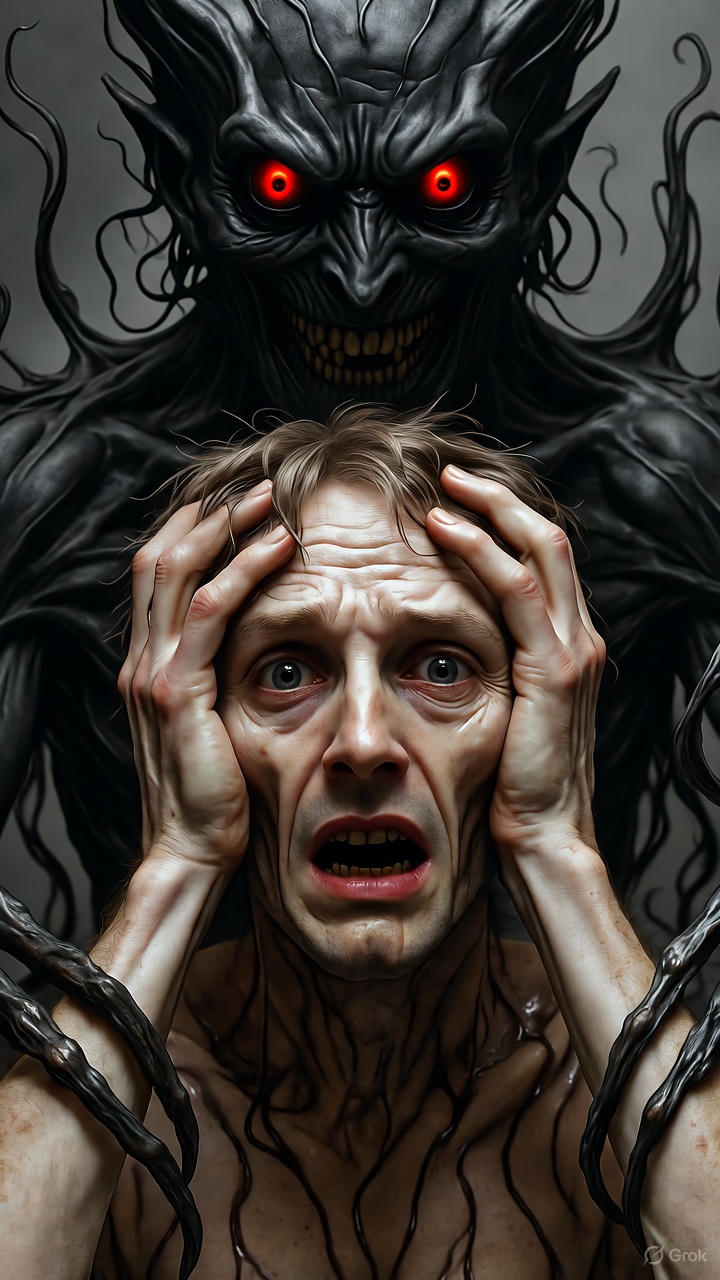
Sooner or later in any story about collapse, you have to find ground zero. In Everyone Dies at the End, the physical plague might have started in the moldy wall of an addict’s apartment, but the spiritual plague began much earlier. It began with Earl and the deal he made with the demon in his veins. To understand Earl’s journey is to understand that his addiction isn’t just a disease or a weakness in this story. It’s a business transaction. It’s a Faustian bargain taken out on an installment plan, and every single chapter he’s in is another agonizing payment on a debt he can never hope to clear.
This isn’t just a metaphor. The story makes it brutally literal. Earl doesn’t just “suffer from addiction”; he has a “demon.” It’s a constant, whispering companion that shows up when he’s at his weakest. At first, it offers a simple, seductive deal. The world is shit. Life is pain. Here, take this. It’ll make it all go away, just for a little while. And all it costs is a small “toll.” The initial payment is cheap: a few bucks, a lie to Jadee, a little piece of his dignity. The problem with this kind of financing, as Earl discovers, is that the interest rates are a goddamn nightmare, and the principal is your own soul.
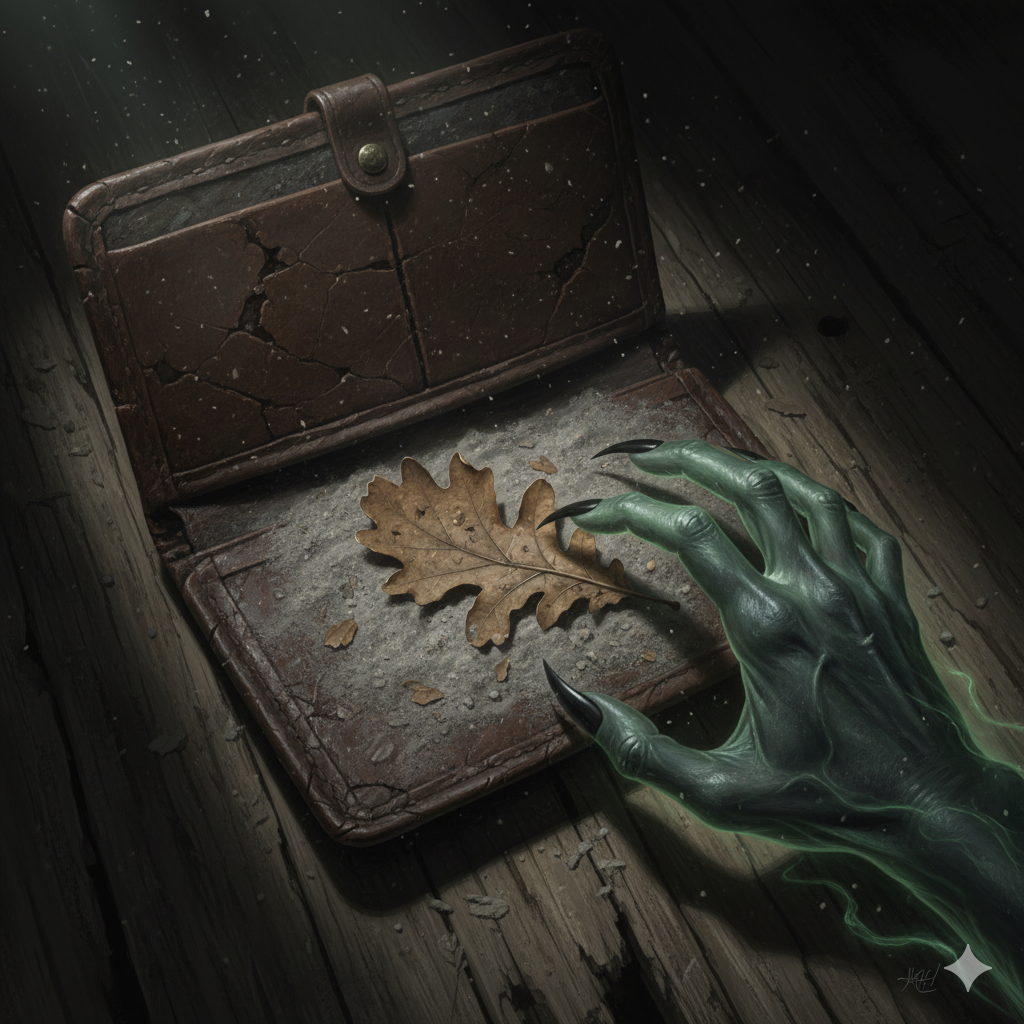
Every time Earl uses, the toll gets higher. The demon demands more. The narrative relentlessly tracks this escalation. At first, the toll is his relationship. The need for the drug leads him to lie, to hide, and to make the monstrous calculation of “not enough to share,” which directly results in Jadee’s infection and eventual death. He’s just liquidated the most important person in his life to service his debt. Later, when he’s truly desperate, the toll escalates to murder. The chilling scene at the high school where he executes a young dealer named Eddie for a bucket of heroin isn’t just a shocking act of violence. It’s him making a major payment. At that point, the demon’s whispers stop being suggestions and become orders. He doesn’t own his debt anymore; the debt owns him.
This is where the physical horror of withdrawal becomes the story’s most brilliant metaphor. When Earl runs out of dope and the sickness hits, that isn’t just his body reacting. In the story’s brutal logic, it’s the demon coming to collect. The chills, the cramps, the vomiting, the seizures—that’s the pain of a spiritual foreclosure. The demon literally materializes before him during these moments, not to tempt him, but to taunt him, to enjoy his suffering. When it whispers, “You still need to pay your toll,” it’s speaking as a creditor. He’s defaulted on his loan, and now his collateral—his body, his mind, his sanity—is being violently repossessed.
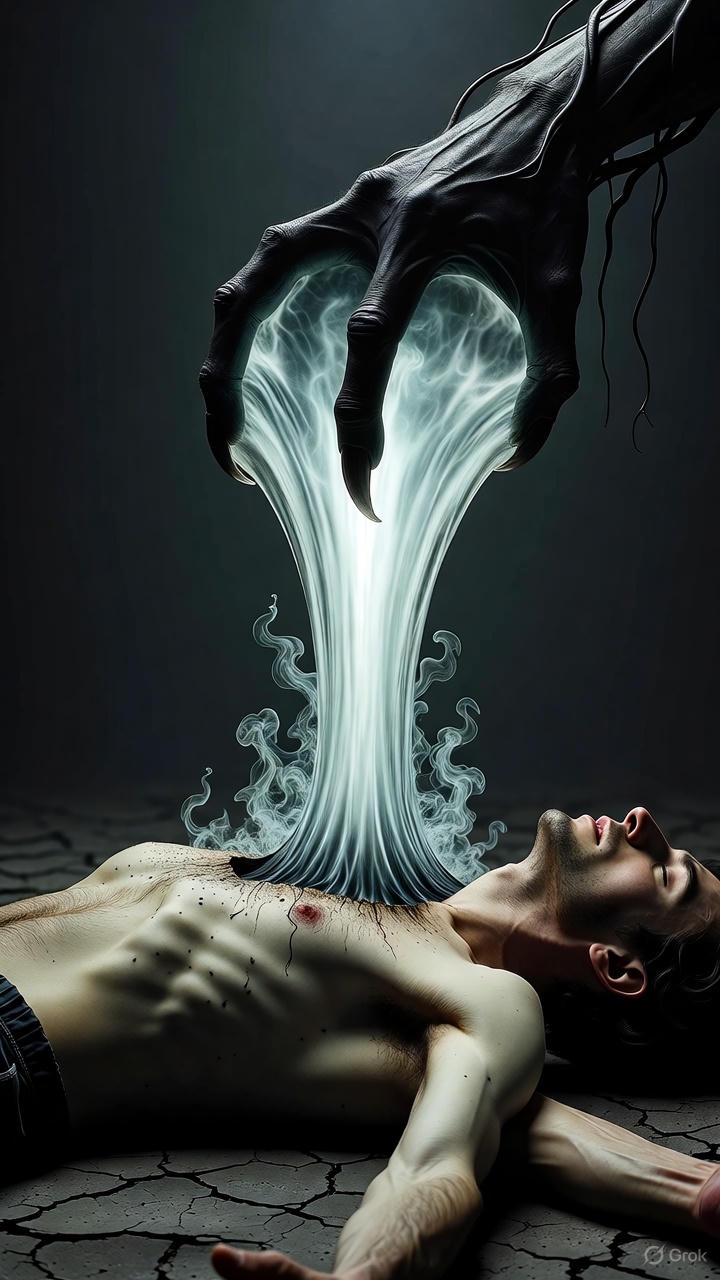
Earl’s final, horrifying end is the only way this transaction could possibly close. Trapped, broken, and surrounded, the demon makes its final offer. “Since you can’t pay your toll, I’ll just take your soul instead.” It isn’t a threat. It’s the final line item on the invoice. Earl’s death isn’t just a man getting killed by monsters. It’s the closing of a supernatural account that’s been in arrears from the first page. He was a dead man walking long before the fungus sprouted, a ghost haunting a life that had been sold off piece by agonizing piece. His story is a brutal reminder that some debts can only be paid in full, and that the demons we feed will always, always come to collect.
Frequently Asked Questions
Q1: Is the demon a real entity in the story, or is it just a hallucination?
A1: The story deliberately leaves this ambiguous, which is what makes it so effective. From a realistic perspective, the demon is a powerful personification of Earl’s addiction, a hallucination born from drug use and withdrawal. However, within the supernatural context of the story’s fungal plague, it’s presented as something very real to Earl. Whether literal or metaphorical, its function is the same: it represents the externalized force of his addiction that demands payment for every moment of relief.
Q2: Does this mean Earl is purely a villain?
A2: Not necessarily. He is the story’s most tragic figure. He is directly or indirectly responsible for many of the horrors that unfold, but his actions are driven by the all-consuming system of his addiction. He’s both a monster and a victim of a monster inside him. His story isn’t meant to make you forgive him, but to make you understand the terrifying logic of the addict’s prison, where every “choice” is simply the next payment on an impossible debt.
Q3: What does the “toll” represent outside of the drug itself?
A3: The “toll” is everything Earl sacrifices for his addiction. It starts with money and trust, but it escalates to include his love for Jadee, his own moral code (when he becomes a murderer), and ultimately, his life and soul. It’s a metaphor for how addiction consumes every part of a person’s life, demanding more and more until there is nothing left to give.
About the Author
Joseph R. Long (Sumo) is an independent author with over a decade of experience in the trenches of self-publishing. He has navigated the brutal landscape of finding affordable editors, drumming up beta reader interest, and wrestling with the challenges of the modern author. He is a firm believer that AI is not a threat to be feared, but a Pandora’s Box that can never be closed. Instead of fighting the tide, he is embracing AI as a transformative tool for writers. While he uses AI as a ruthless editing partner and a brainstorming associate, all of his writing is his own. The Amos Report was born from his conviction that every author deserves access to the kind of brutally honest feedback that forges good stories into great ones.

 Sumo Sized Ginger