
Category: The Autopsy of Decay, Analysis, Horror
A Ship Without a Rudder: The High Price of Being the Last One Standing
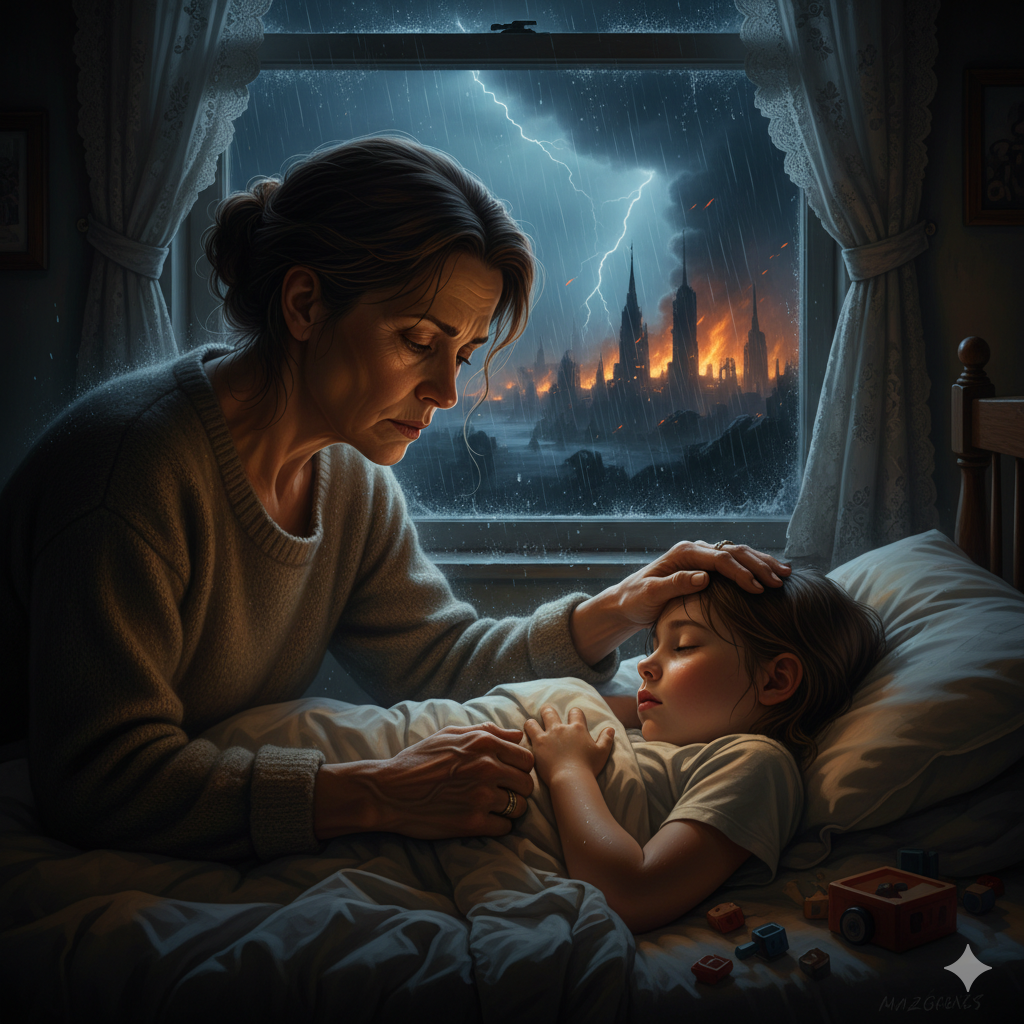
In any story about the end of the world, we’re taught to root for the survivor. They’re the tough ones, the resourceful heroes who find a way to keep going when everyone else has fallen. We celebrate their grit and their will to live. But we rarely stop to ask a darker question: What did they have to kill inside themselves to make it? In Everyone Dies at the End, there is no clearer, or more heartbreaking, answer to that question than the story of Kristin.
When we first meet her, Kristin is the undeniable heart of the group. In a world spiraling into chaos, she’s the one trying to maintain a sense of normalcy. She cooks the meals, she tends to the sick, and she loves her “big man,” Joey, with a fierce and protective warmth. She is the group’s anchor of compassion. While others are calculating odds and planning for the worst, she is the one who remembers that they are still human beings who need care, comfort, and a reason to keep going. She represents the best of the world they’ve lost, a walking, breathing reminder of empathy and kindness.
That all changes in an instant. Joey’s death isn’t just a tragic event; it’s the moment the entire group loses its rudder. For Kristin, it’s something more. His self-sacrifice doesn’t just leave a hole in her heart; it rips out the very foundation that allowed her to be compassionate. With Joey gone, the luxury of being the gentle caregiver is a liability she can no longer afford. The world has forced her hand, and the person who gets up from that tragedy is not the same one who fell.
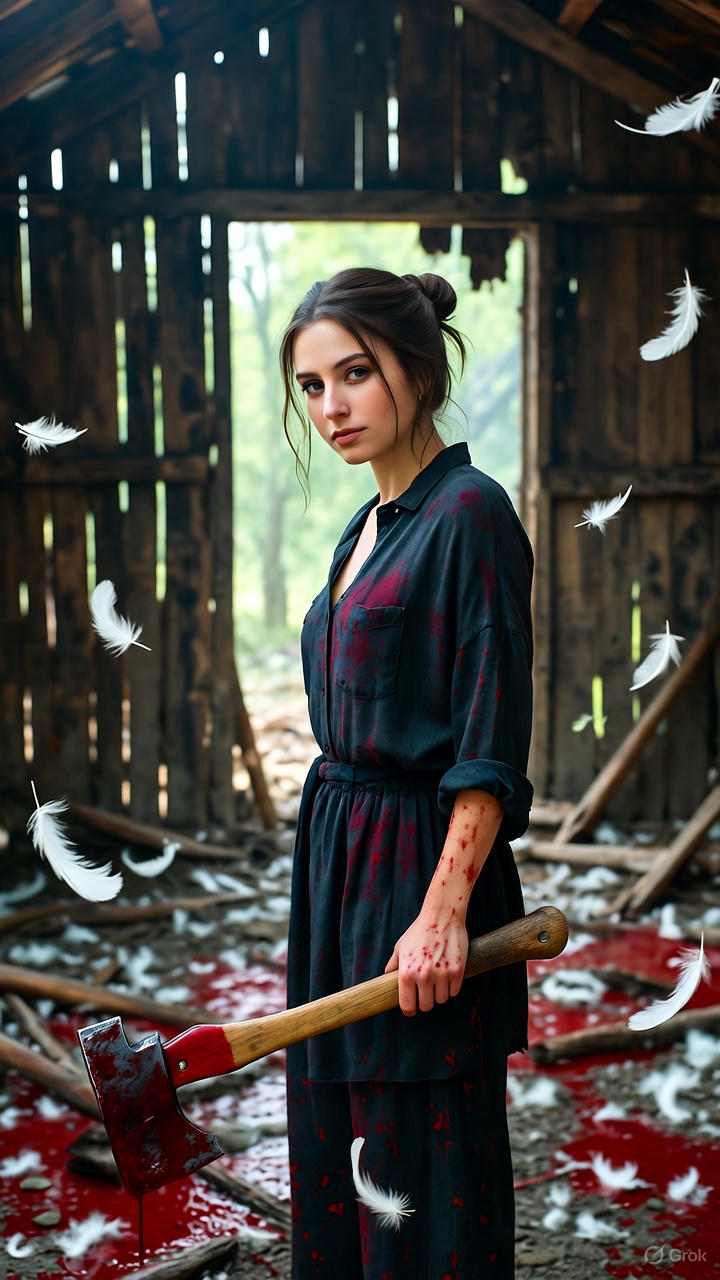
The most shocking proof of this transformation happens in the now-infamous chicken coop scene. When Kristin discovers the last vestiges of a normal food source have been corrupted by the plague, something within her doesn’t just break; it re-calibrates into something harder and far more dangerous. Her bloody, whirlwind slaughter of the infected chickens isn’t just a moment of grief-fueled rage. It’s a terrifying and almost necessary rite of passage. In that moment of brutal violence, the old, compassionate Kristin dies, and a new one is born. This new Kristin understands that in order to protect what’s left of her family, she must become a monster in her own right.
From that point on, we see this new operating system in action. When John tries to comfort her after Joey’s death, she doesn’t just shrug him off; she threatens him with a chilling finality: “Don’t touch me if you want to keep your hands.” It’s not the lashing out of a grieving widow; it’s the cold, hard boundary-setting of a survivor who can’t show weakness. Her decision to abandon Earl to his fate on the rocks is the final, tragic confirmation of her change. The old Kristin would have been horrified at the thought. The new Kristin, however, runs the cold calculus of survival and realizes he’s a risk she can’t afford. It isn’t personal. It’s just a brutal transaction.

In the end, Kristin does survive. She successfully protects the girls and navigates the horrors of the new world. But to call it a victory feels wrong. She won the battle for her life but lost the person she used to be in the process. What’s left is not a hero, but a piece of functional scar tissue, a hardened shell that knows how to swing a blade and make impossible choices. Her story is a grim reminder that in a world this broken, nobody truly makes it out alive. Some just take longer to die.
Frequently Asked Questions
Q1: Is Kristin’s transformation portrayed as a good or a bad thing?
A1: That’s what makes her character so compelling. It’s neither. Her transformation is portrayed as a tragic necessity. She becomes harder, colder, and more ruthless, which are qualities that help her and the others survive. But the story makes it clear that this comes at the cost of her own compassion and the very “heart” she once provided for the group, making it a profound and deeply sad change.
Q2: Why was the chicken coop scene so violent?
A2: That scene is a major turning point, and its brutality is intentional. It serves as a catharsis for her grief and rage over Joey’s death, but it’s also a point of no return. It’s the moment she stops being a victim of the world’s horrors and starts becoming an active, and even brutal, participant in it. The violence is a visual representation of her internal “amputation” of her old, softer self.
Q3: Does Kristin ever show signs of her old self again?
A3: There are glimmers, especially in her fierce protection of the girls, but the core of her personality has fundamentally shifted. Her gentleness is replaced by a hard-edged pragmatism. Even her acts of love and protection are now filtered through the lens of a ruthless survivor. She is a powerful example of how extreme trauma can permanently alter a person’s core identity.
About the Author
Joseph R. Long (Sumo) is an independent author with over a decade of experience in the trenches of self-publishing. He has navigated the brutal landscape of finding affordable editors, drumming up beta reader interest, and wrestling with the challenges of the modern author. He is a firm believer that AI is not a threat to be feared, but a Pandora’s Box that can never be closed. Instead of fighting the tide, he is embracing AI as a transformative tool for writers. While he uses AI as a ruthless editing partner and a brainstorming associate, all of his writing is his own. The Amos Report was born from his conviction that every author deserves access to the kind of brutally honest feedback that forges good stories into great ones.

 Sumo Sized Ginger