
Forging a Face for the Apocalypse: Inside the SPORE Cover Process
Every book has a story. But the cover? The cover has a dozen stories that died in the dark so that one could live in the light. I wanted to pull back the curtain on the bloody, chaotic process of finding the one true face for my new novel, ‘Everyone Dies At The End: Spore.’ This wasn’t a beauty pageant. It was a goddamn gladiatorial match. Below are the contenders, the fallen, the ghosts of covers that could have been. Welcome to the slaughterhouse.
Vector 1: The Surreal & Uncanny
What if the horror wasn’t explicit, but implied? A rusty refrigerator in an empty field. A child’s doll slick with black ooze. This path was about creating a sense of deep, gnawing dread and wrongness. These covers don’t show you the monster; they show you the world the monster has already broken. It’s less a punch in the face and more of a cold dread crawling up your spine.
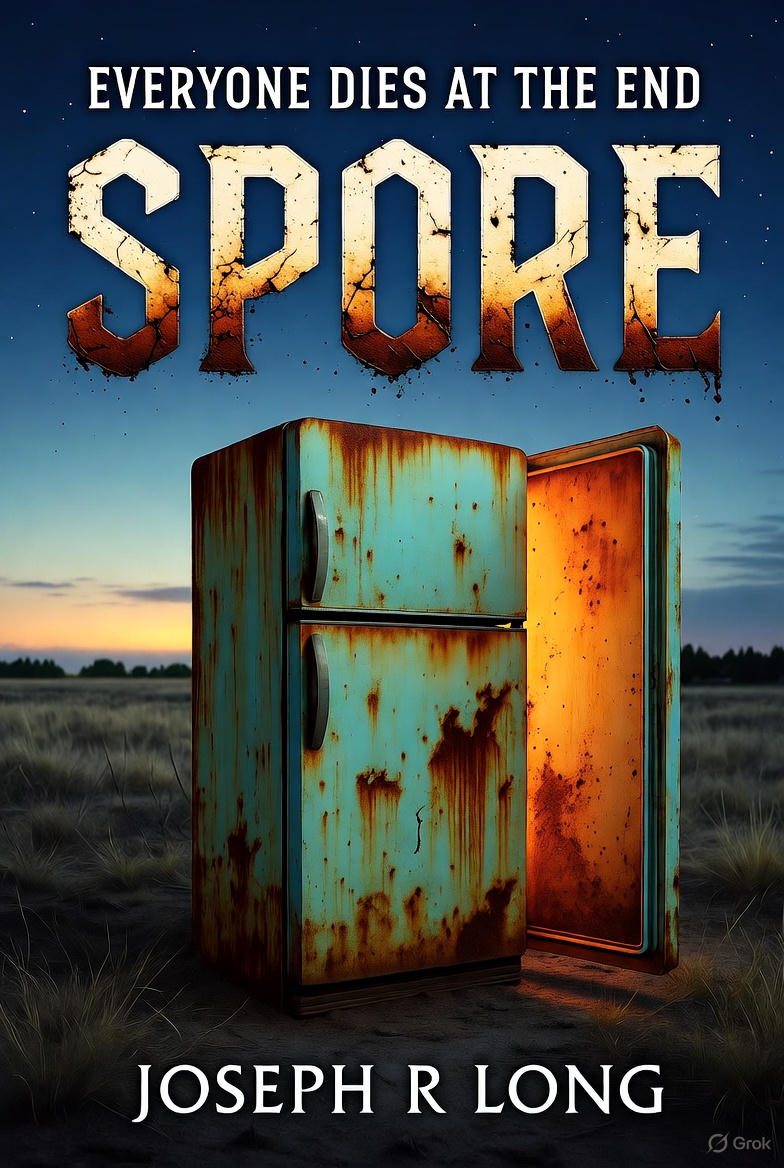
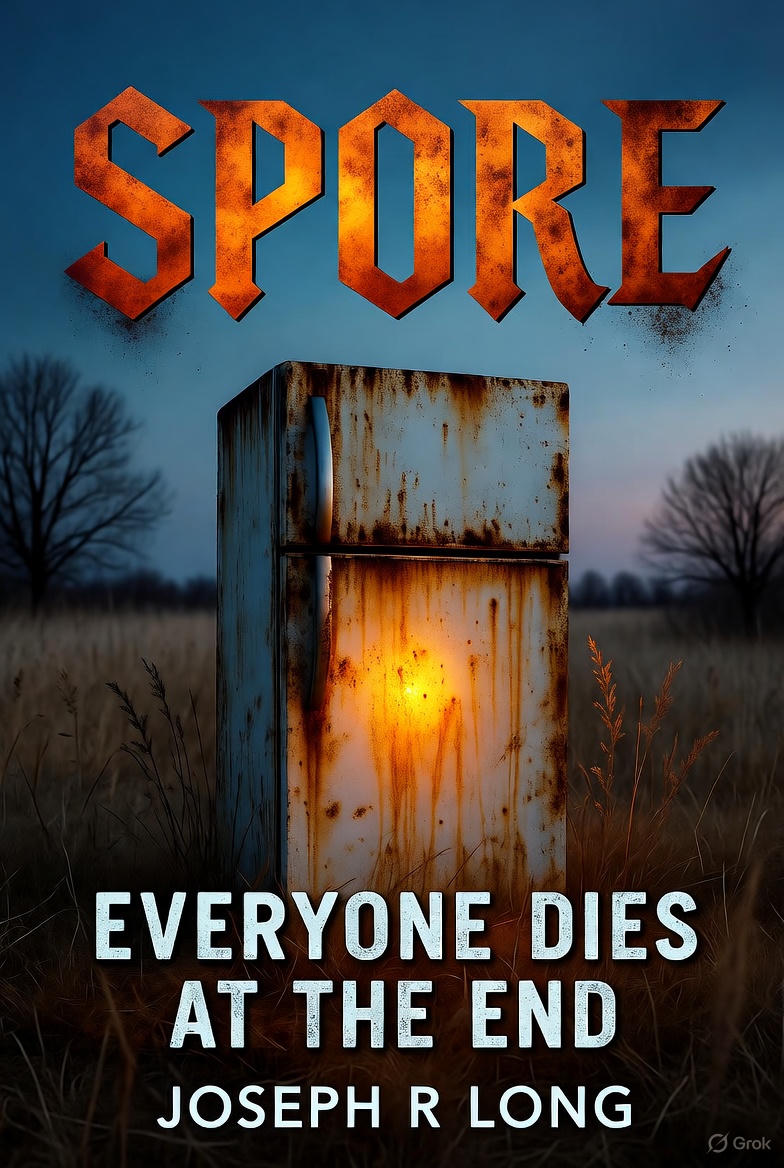
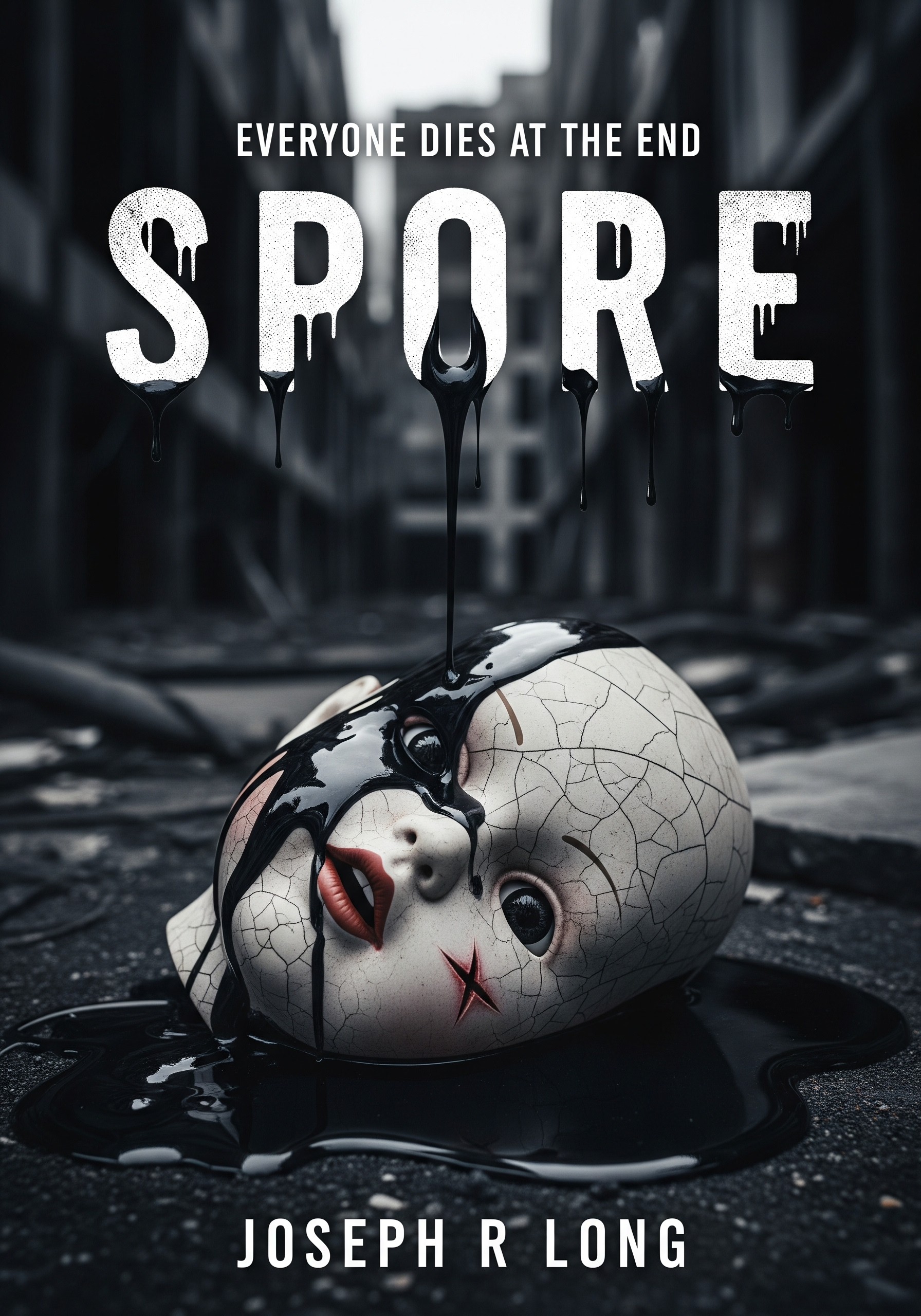
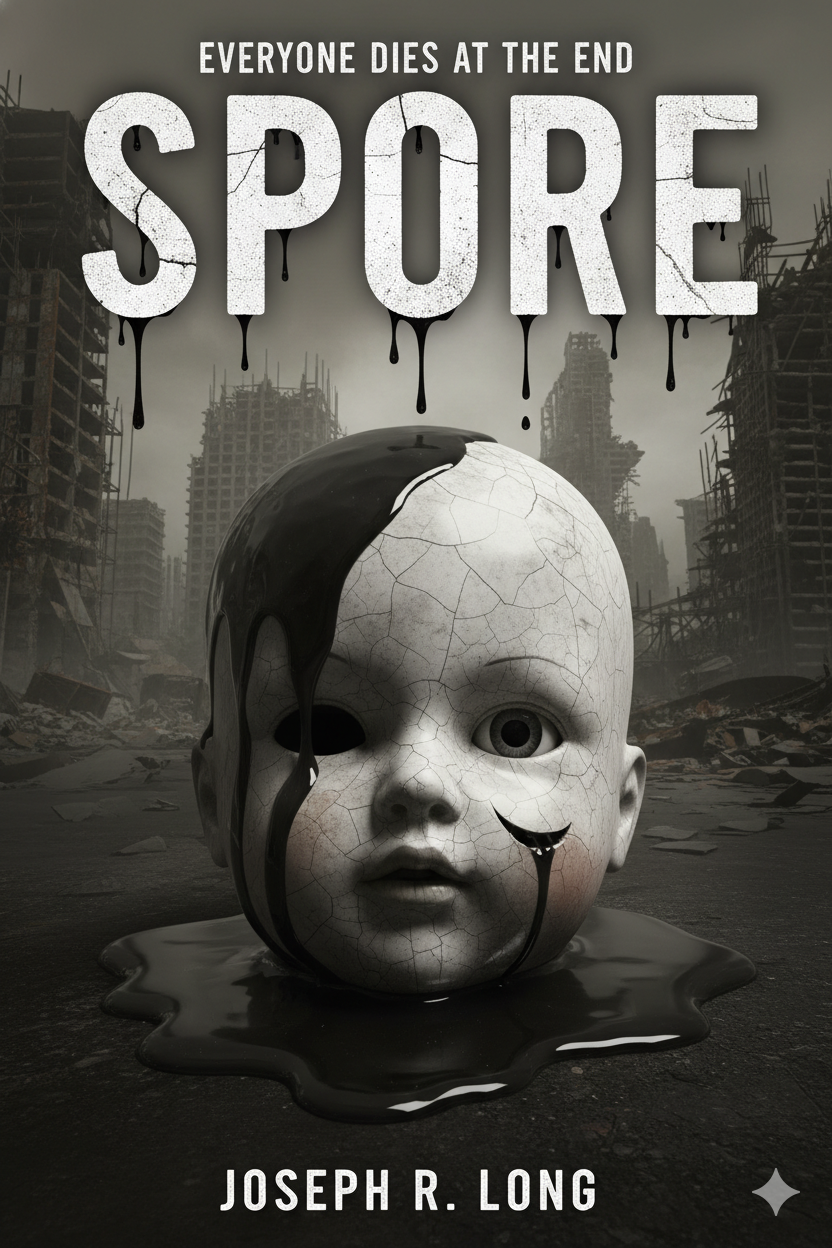
Vector 2: Eco-Horror Incarnate
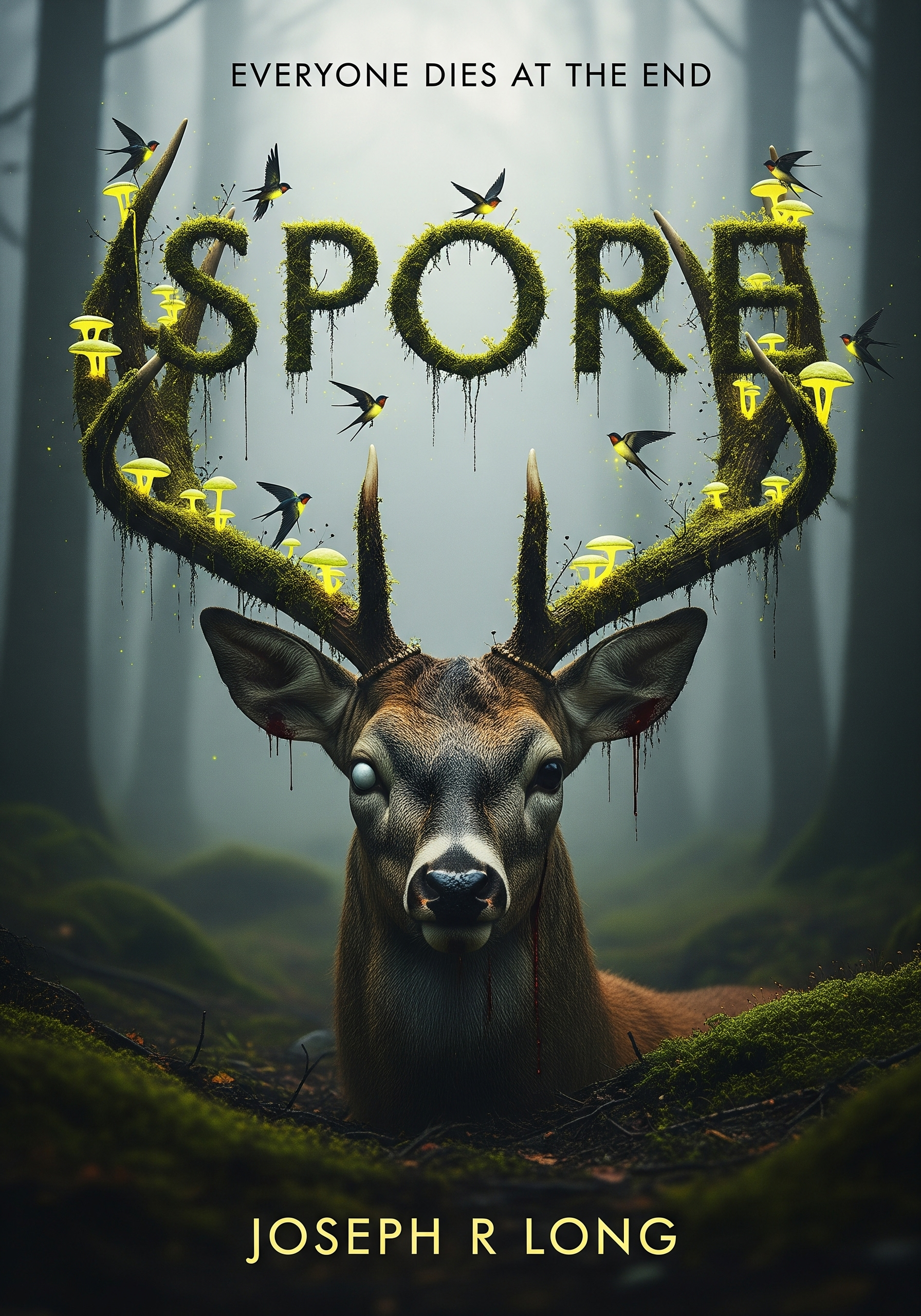
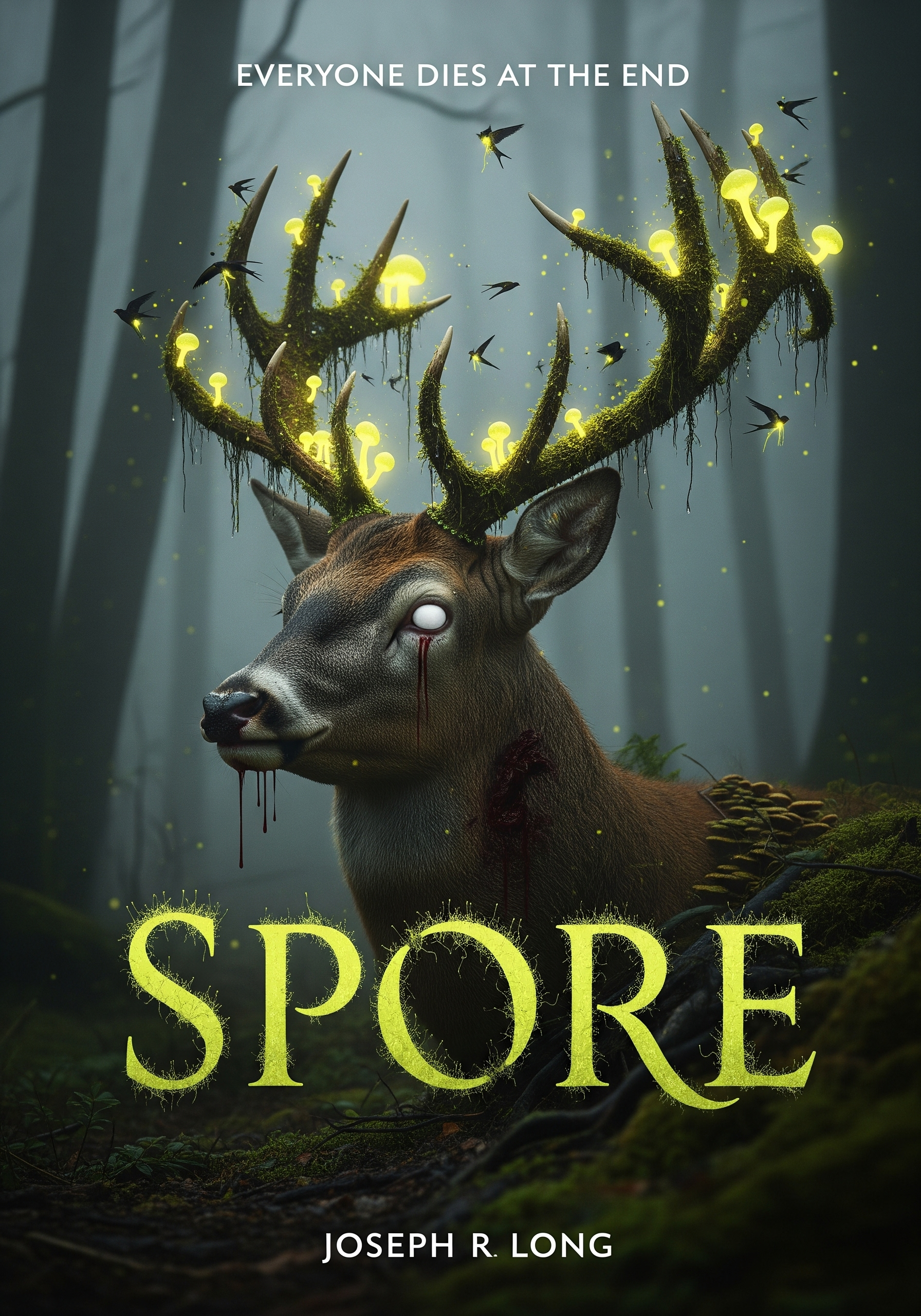
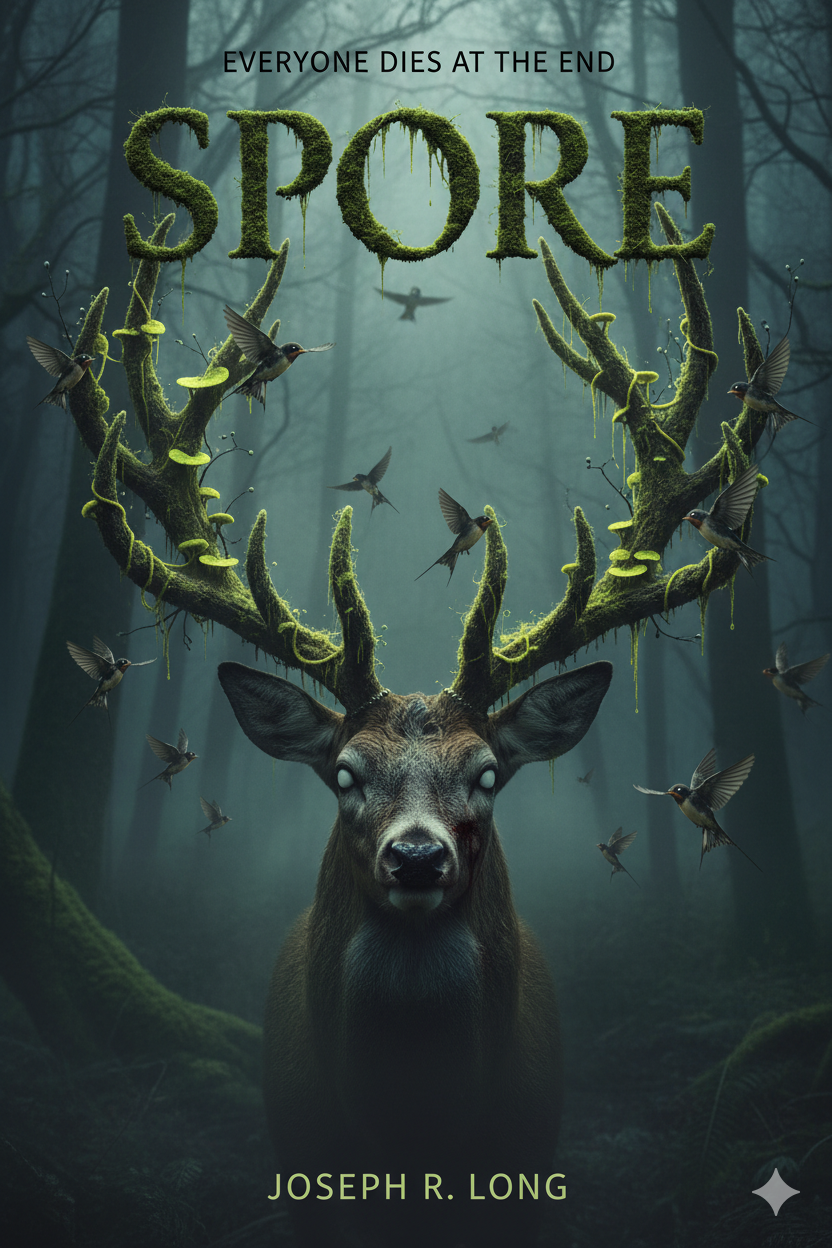
Another angle of attack was to explore the idea of nature turning on us. The spore as a corruption of the natural world itself. The deer images are haunting, a beautiful and terrifying symbol of innocence infected. It’s majestic and monstrous all at once. The question was, is it too specific? Is this a story about the woods, or is the forest just the first place the bodies started to fall?
Vector 3: The Body Horror Infection
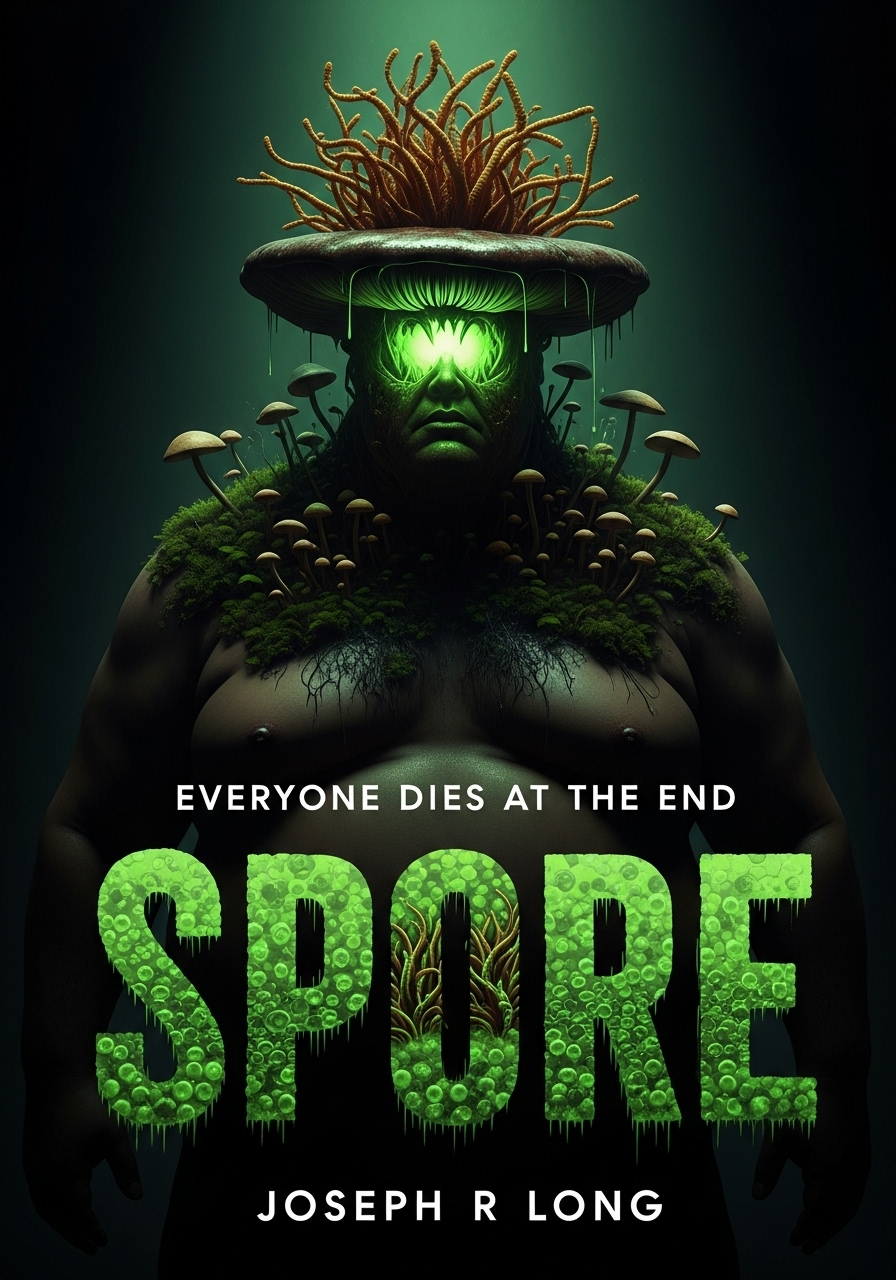
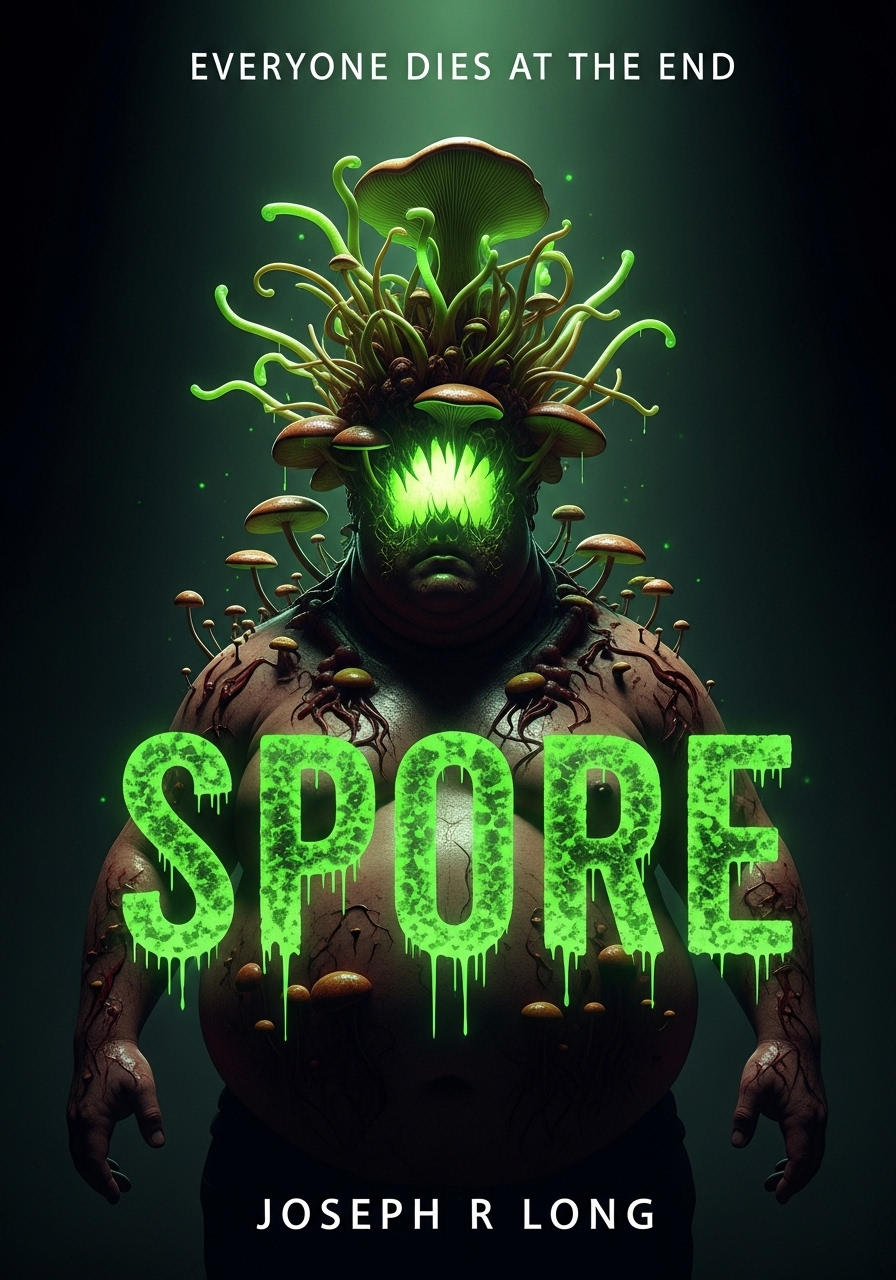
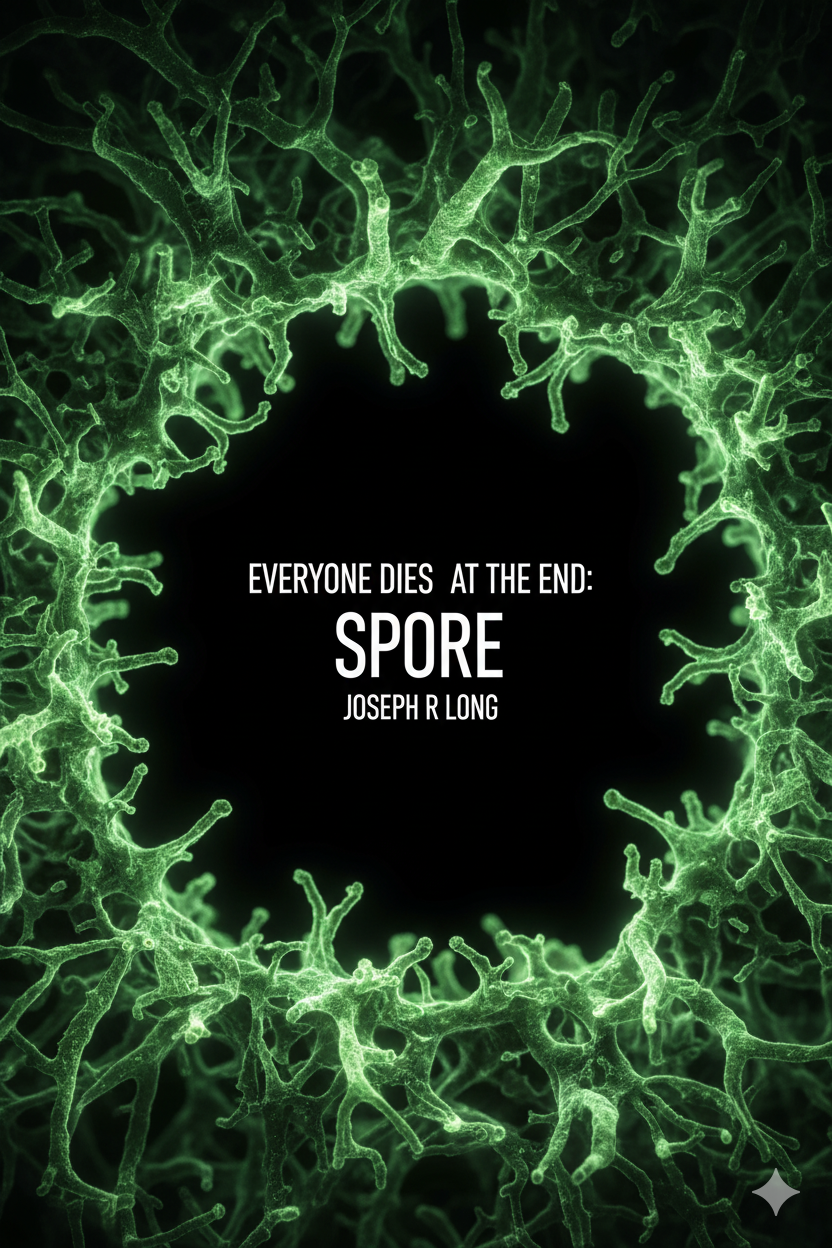
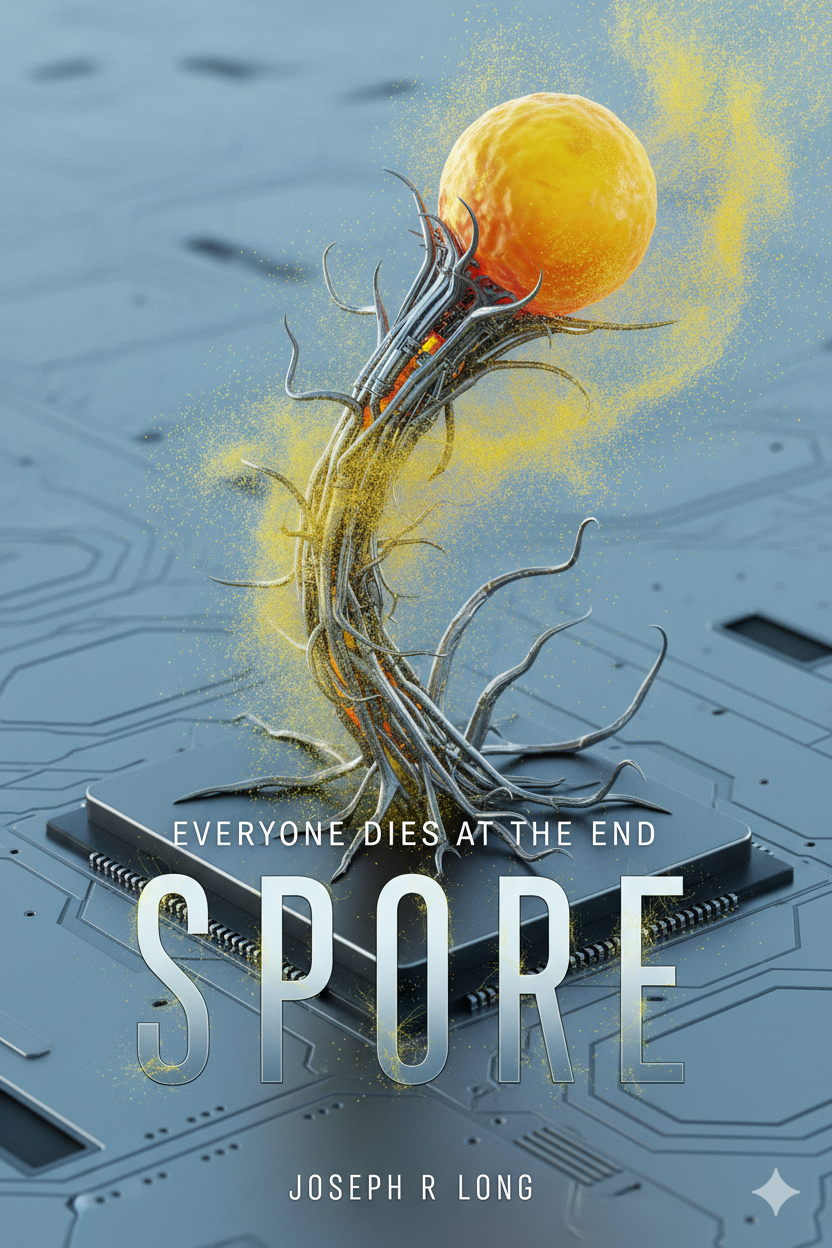
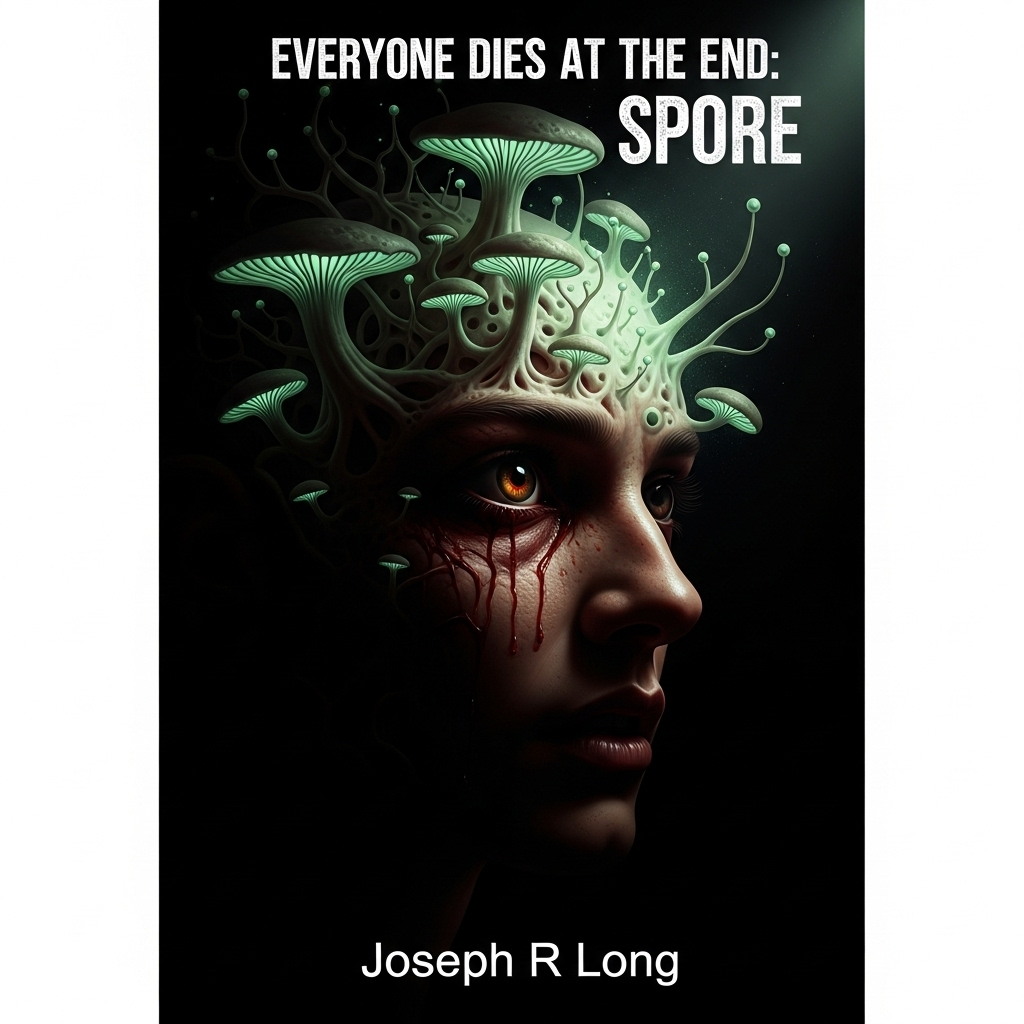
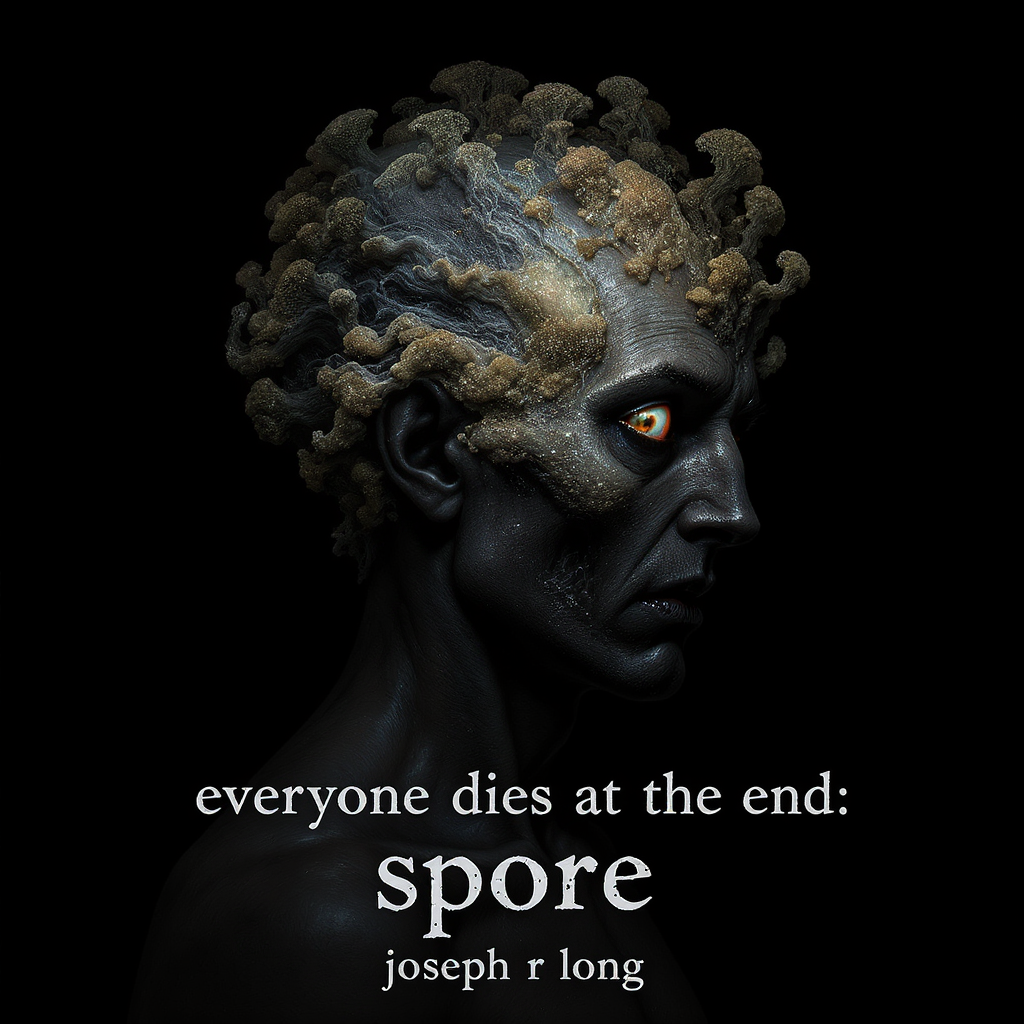
Here, we went straight for the gut. Forget metaphor; let’s show the human cost. This was our ‘Cronenberg’ phase—flesh and fungus becoming one indivisible, horrifying thing. We wanted something visceral, something that made you feel itchy just looking at it. These designs are pure, uncut nightmare fuel. The only question: how much do you show before it just becomes a mess of gore?
Vector 4: The Abstract End
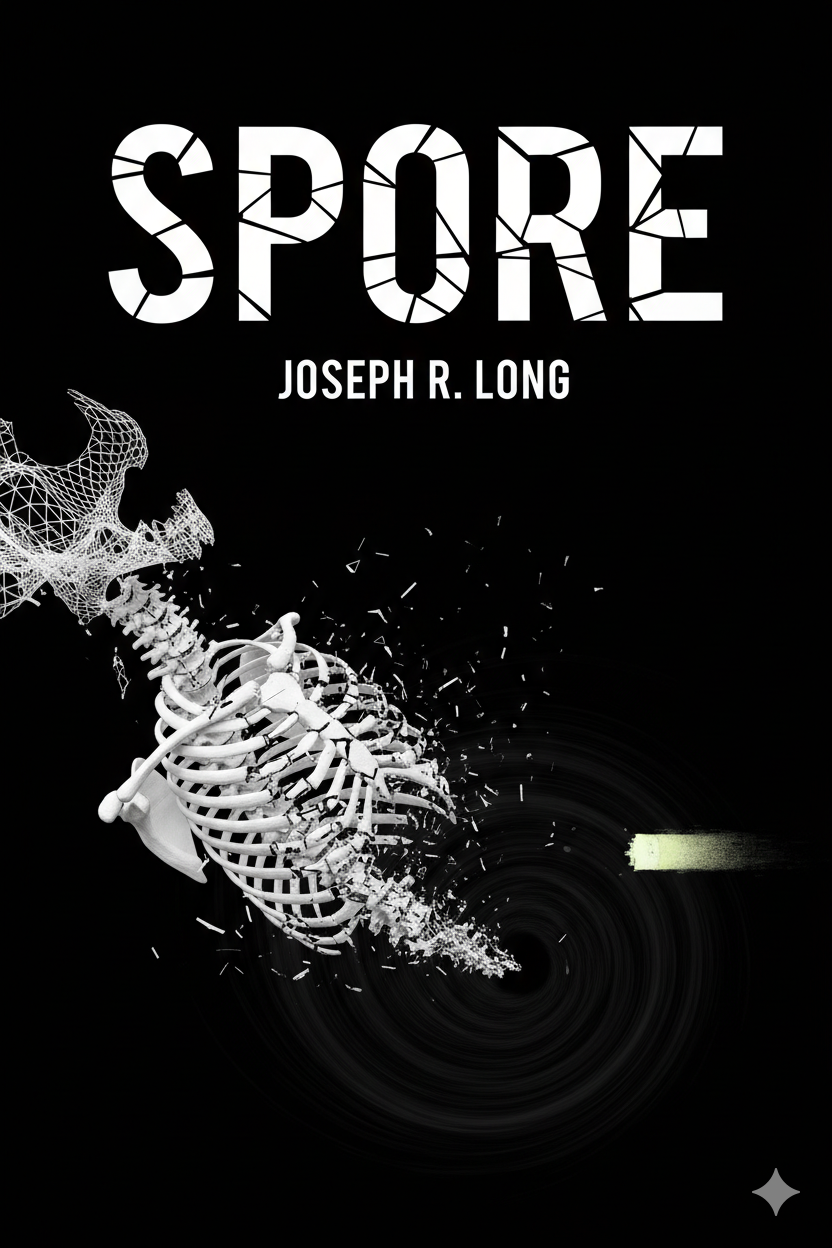
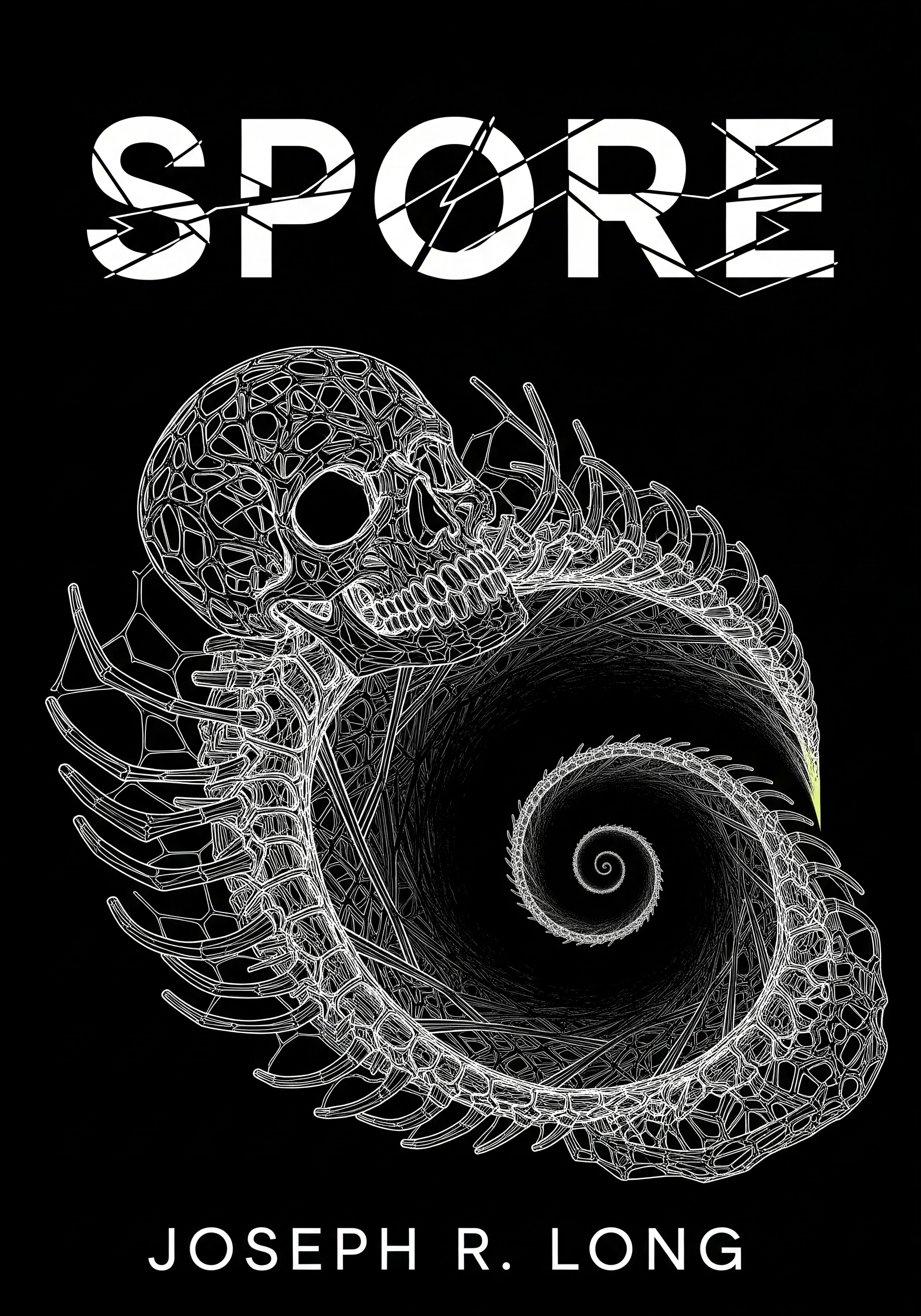
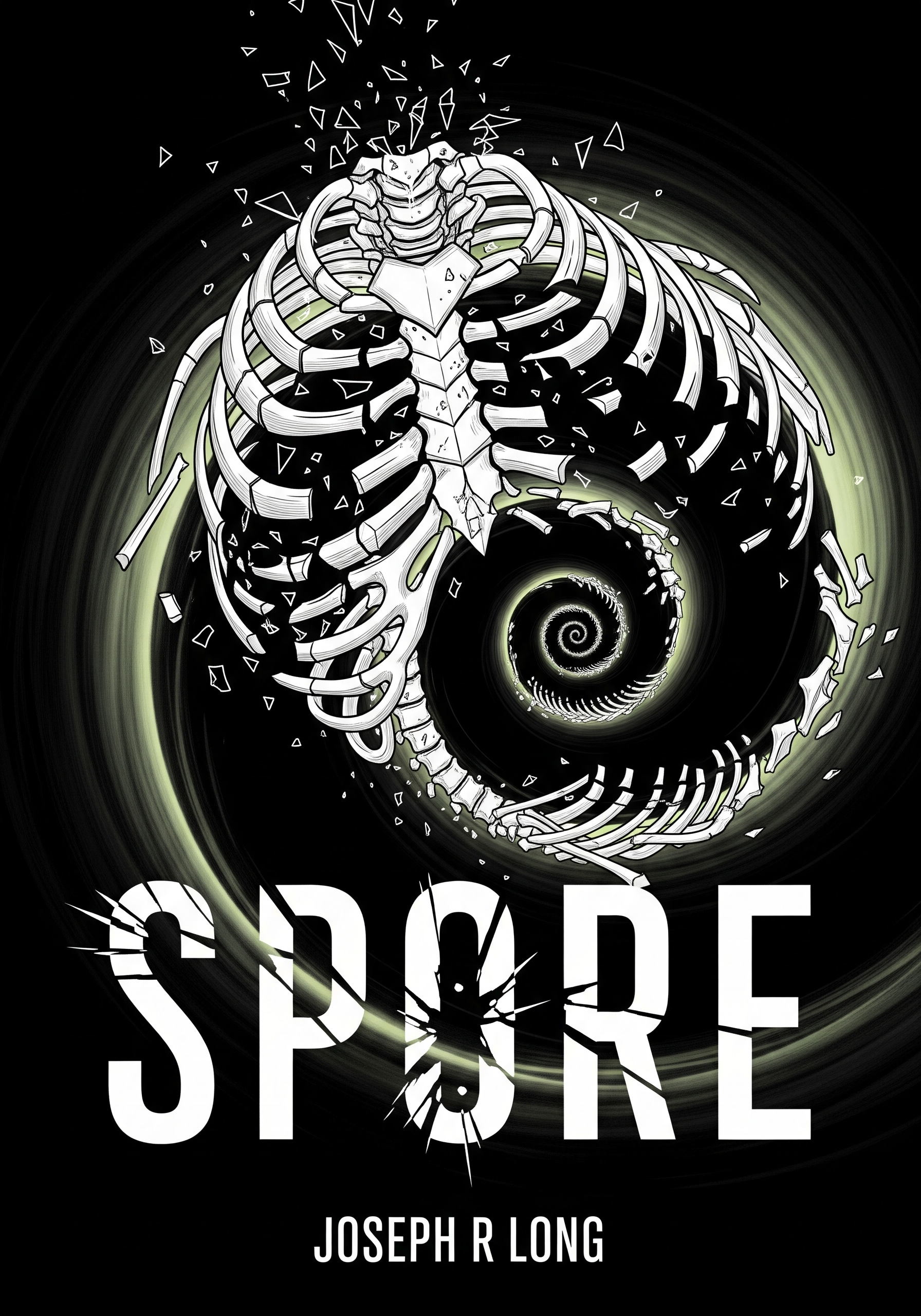
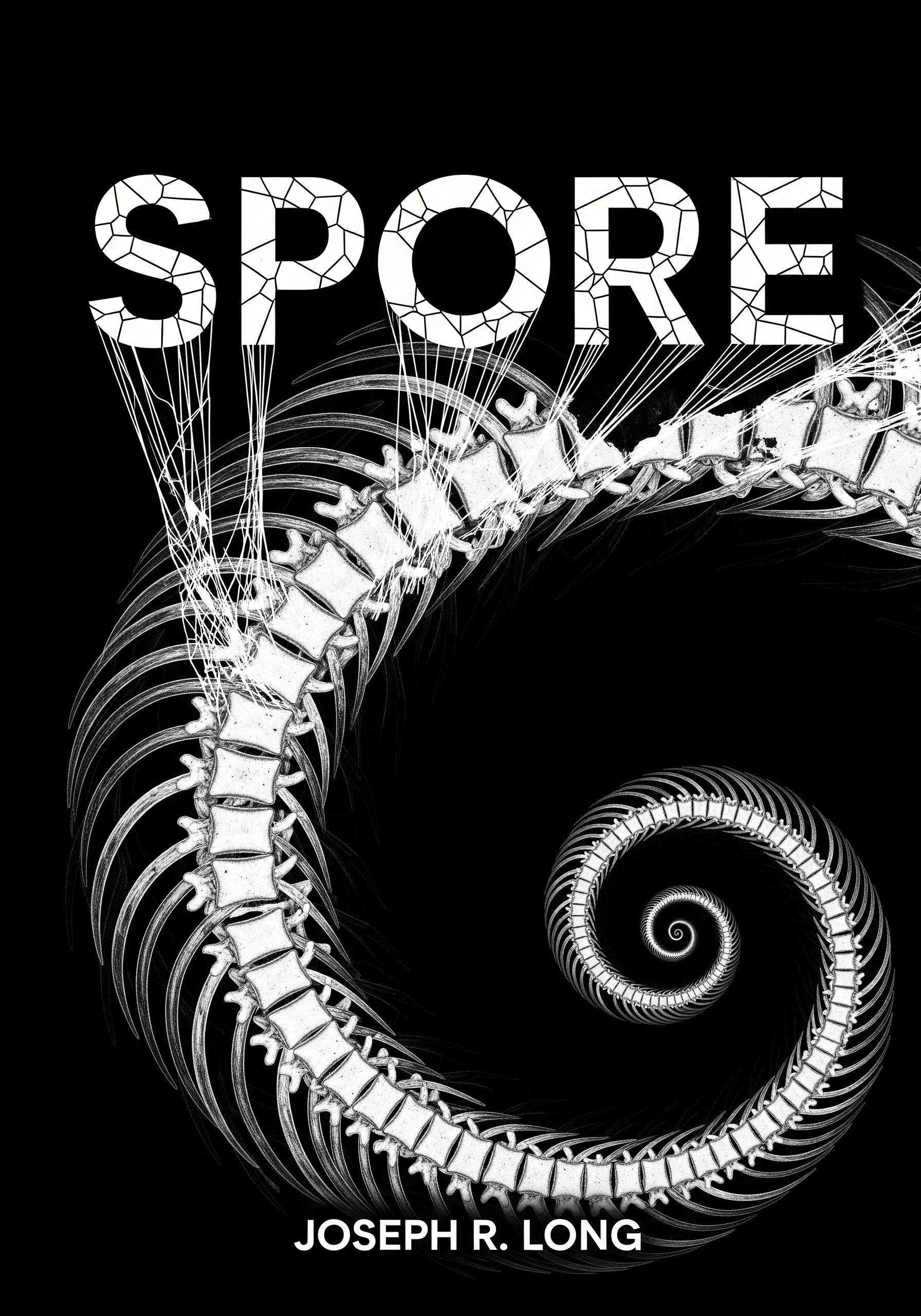
Sometimes the most effective horror is stylistic. We explored a stark, black-and-white, almost graphic-novel aesthetic. This direction focuses on the core concept of deconstruction—the body, the world, even the letters of the title, falling apart into nothing. It’s less about the literal fungus and more about the existential unraveling.
Vector 5: Tropes, Twisted
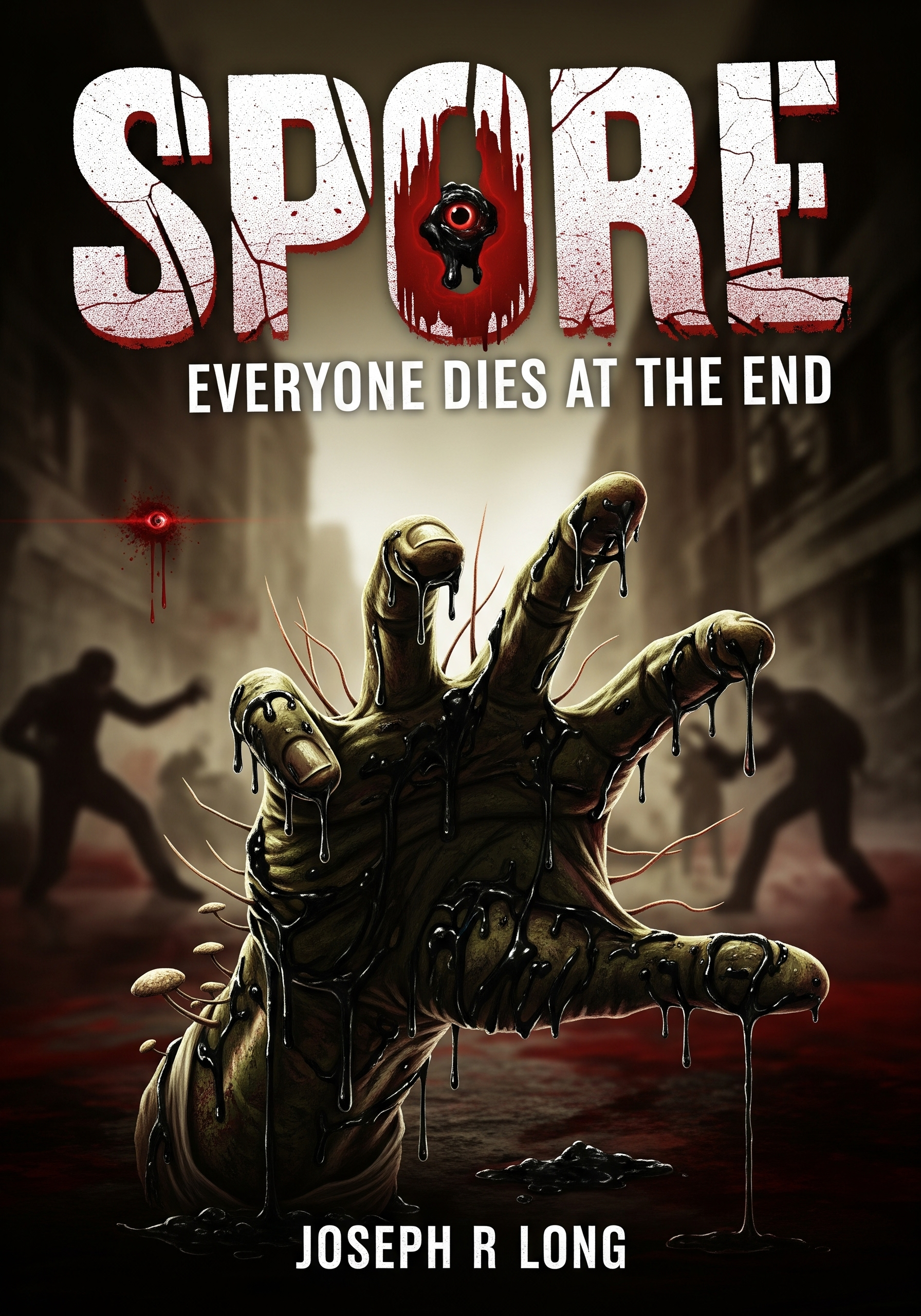
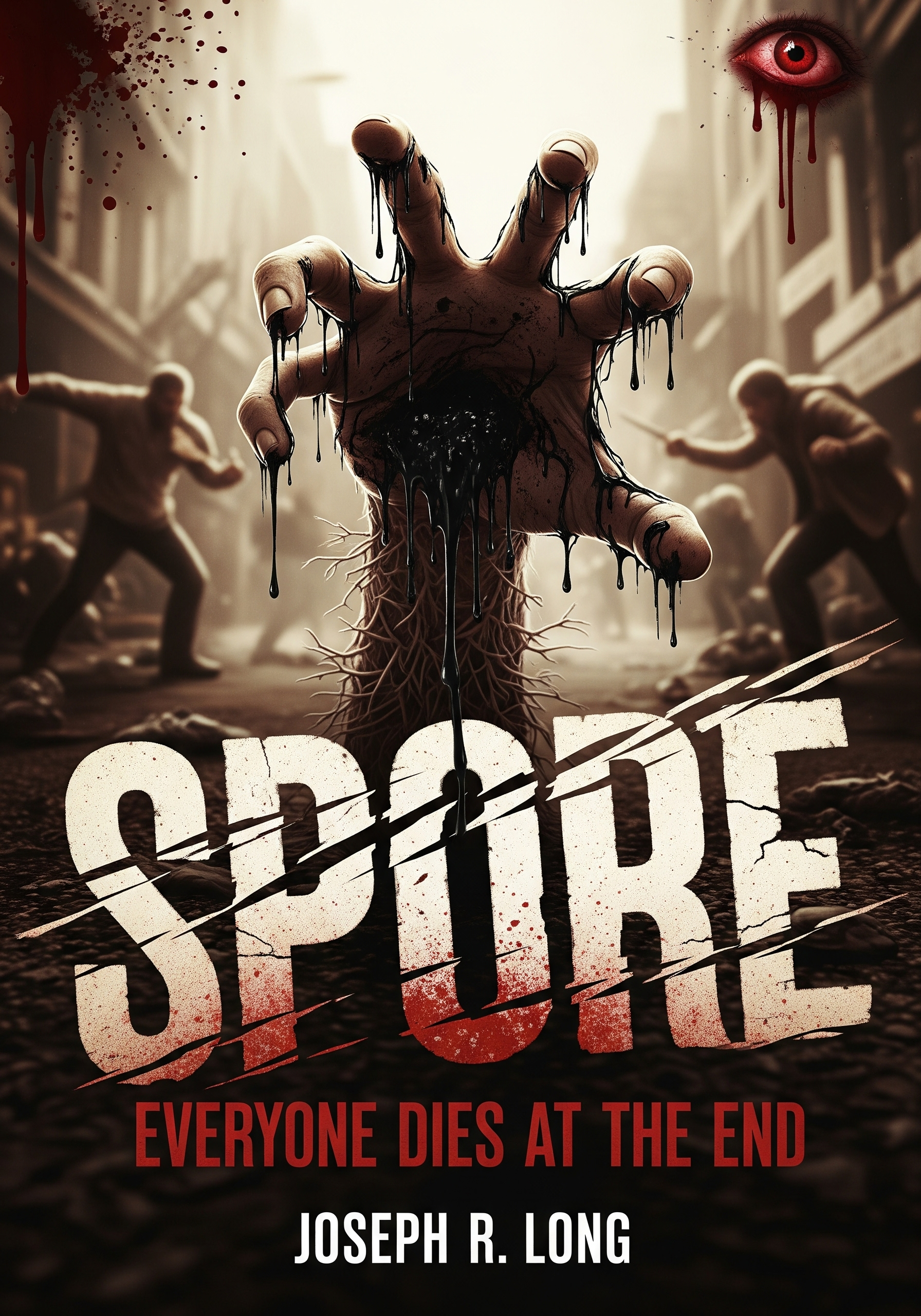
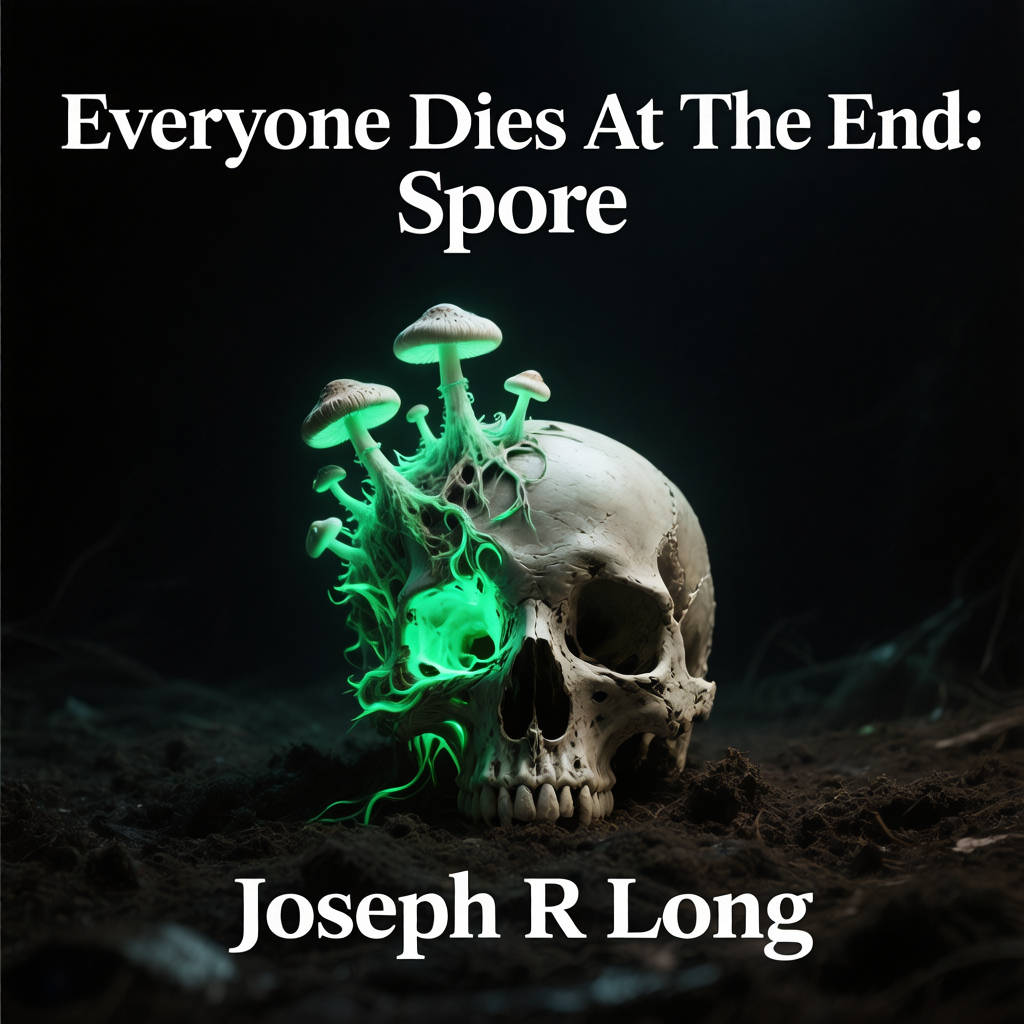
Finally, we took the classic language of horror—zombie hands, skulls, ominous glows—and injected our own brand of fungal poison into them. You know these symbols. You recognize the threat. But the specifics are new. It’s familiar enough to grab a horror fan, but weird enough to promise them something they haven’t seen before.

The Slaughterhouse Awaits a Victor: This Is Where You Come In
You’ve seen the primary battlefields—the core creative directions we’ve explored for SPORE. We’ve waded through the blood and fungus, and now, we’re left with a field of powerful contenders, but no clear winner. Frankly, there are too many strong options, and we still have more coming in.
The final choice is too damn important to make in a vacuum. So, I’m opening the door to the war room. I genuinely want to know what resonates with you, the reader. What catches your eye? What makes you want to pick up the book? What screams ‘SPORE’ to you?
Drop a comment below and be my co-conspirator. Tell me:
- Which Vector (category) speaks to you the most? (Surreal, Eco-Horror, Body Horror, etc.)
- Which specific cover image is your champion? (You can describe it or mention its category).
- And most importantly, WHY? What gut feeling does it give you?
Your feedback will be a huge part of this final, brutal decision-making process. Don’t hold back. Let the games begin.
About the Author
Joseph R. Long (Sumo) is an independent author with over a decade of experience in the trenches of self-publishing. He has navigated the brutal landscape of finding affordable editors, drumming up beta reader interest, and wrestling with the challenges of the modern author. He is a firm believer that AI is not a threat to be feared, but a Pandora’s Box that can never be closed. Instead of fighting the tide, he is embracing AI as a transformative tool for writers. While he uses AI as a ruthless editing partner and a brainstorming associate, all of his writing is his own. The Amos Report was born from his conviction that every author deserves access to the kind of brutally honest feedback that forges good stories into great ones.

 Sumo Sized Ginger