
Category: The Autopsy of Decay, Analysis, Horror
Stupid, Crazy, or Just Plain Broken: Who’s the Real Monster?
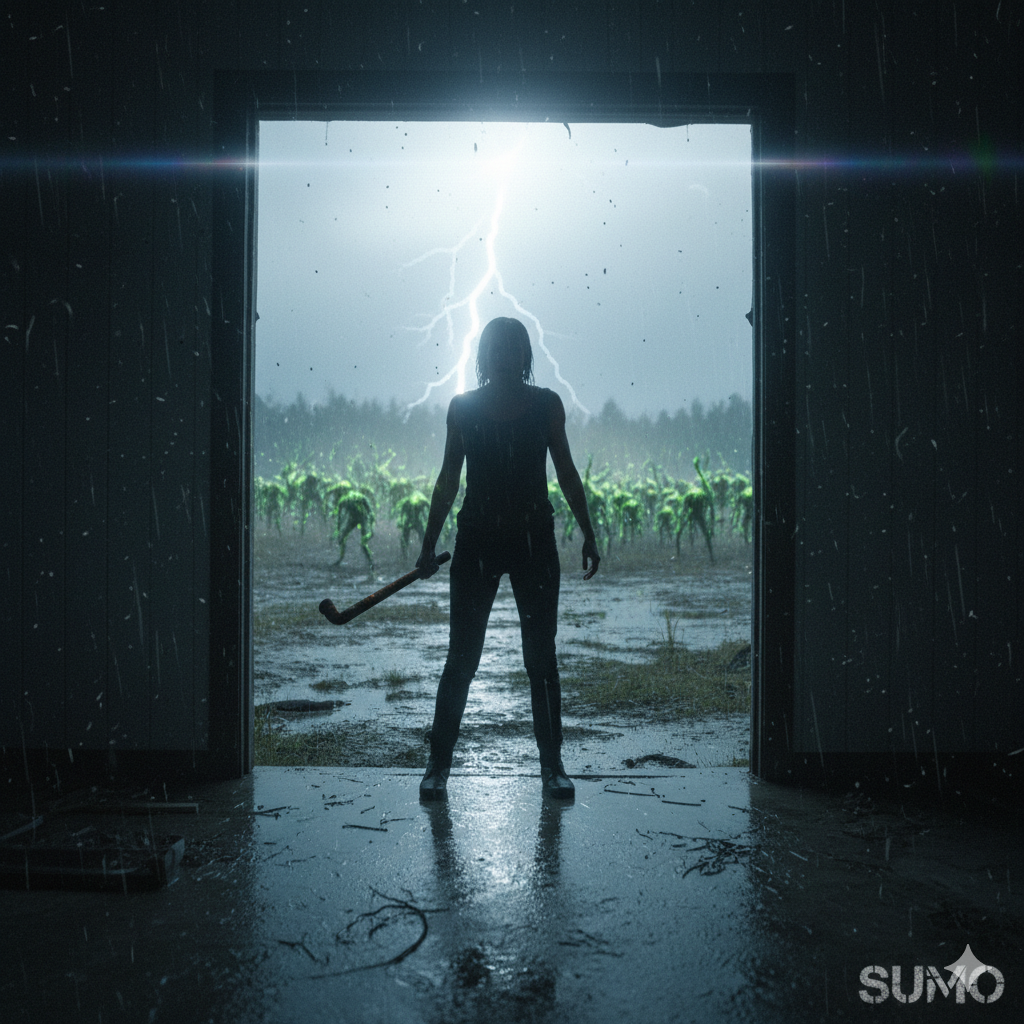
Every good zombie story eventually forces you to ask one uncomfortable question: who are the real monsters? Is it the groaning, flesh-eating horde that shuffles around with a one-track mind? Or is it the other survivors, the ones who are still thinking, feeling, and, most terrifyingly, choosing to do awful things to each other?
In our ongoing autopsy of Everyone Dies at the End, this question isn’t just a fun little thought experiment. It’s the central, horrifying point. The fungus-infected “ralphs,” for all their gross-out body horror, are almost a force of nature. They’re like a walking hurricane or a flood. They’re predictable. You know what they want: brains, flesh, whatever. You see them, you run. Simple.
But the humans? That’s where the real, unpredictable horror begins.
The story introduces us to a whole new class of threat that has nothing to do with the fungal plague. Take Earl’s run-in at Darren’s house in chapter 18. The woman he finds isn’t a mindless ralph. She’s a person who, fueled by a new, horrifying drug called Yellowjack, has descended into a psychosis so profound she has become a cannibal. She isn’t driven by a parasitic fungus; she’s driven by a shattered human mind. When Earl confronts her, she doesn’t just moan and shuffle. She fights back with a terrifying, feral intelligence. She’s still in there, but the person at the controls is a homicidal maniac. That is a hundred times scarier than any zombie, because her actions are a choice, however drug-fueled and psychotic they might be.

Then you have the quiet, more mundane type of monster. Remember when our main group finally sets up a safe house, a place with solar panels that power their well and offer a tiny sliver of hope? They offer shelter to a group of seemingly desperate survivors. A nice, human thing to do. And what happens? The next morning, the solar panels are gone.
Those thieves weren’t infected. They weren’t psychotic cannibals. They were just opportunistic jerks. They saw a chance to screw someone else over to give themselves a slight advantage, and they took it without a second thought. There’s no grand, monstrous evil there. It’s just petty, selfish human behavior, and in a world hanging on by a thread, that single act is just as deadly as a zombie bite. They didn’t just steal metal rectangles; they stole the group’s ability to have clean water and power, effectively handing them a death sentence.
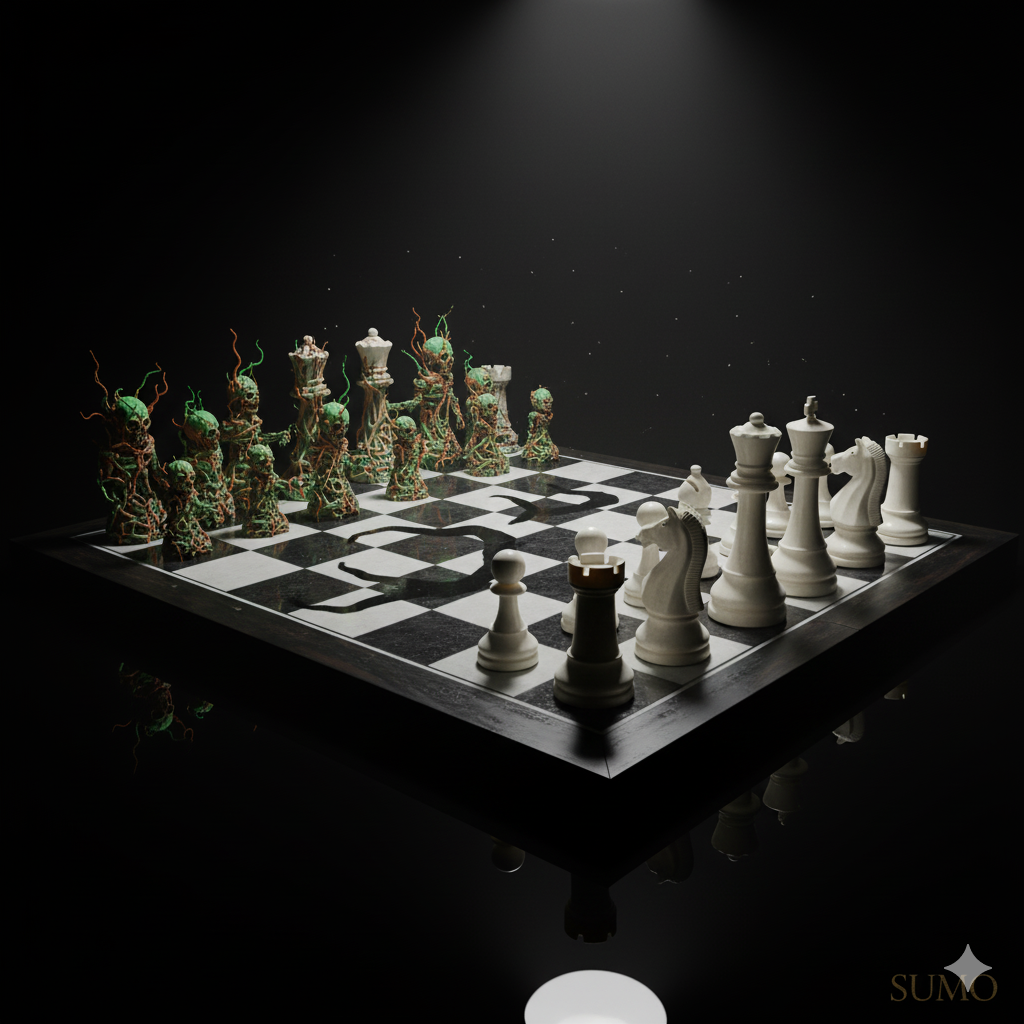
This is the grim lesson at the heart of the story. The apocalypse doesn’t create monsters. It just gives the ones who were already there permission to take off their masks. A ralph might eat your flesh, but a human will look you in the eye while they steal the last can of food you have, fully understanding the slow, agonizing death they’re condemning you to. One is a hungry animal. The other is a monster with a conscience it chooses to ignore. And if you ask me, that’s the one you should truly be afraid of.
Frequently Asked Questions
Q1: So the “Yellowjack” drug is completely separate from the fungal plague?
A1: Exactly. The story uses it as a way to show that there’s more than one path to monstrosity. The fungus takes over your body against your will, but the Yellowjack seems to be a choice, a temptation that leads to a different kind of psychological collapse. It proves that you don’t need a supernatural plague to turn people into cannibalistic monsters.
Q2: Does this mean the non-infected humans are the “main villains” of the story?
A2: It’s more complicated than that. There isn’t really a single “main villain.” The fungal ralphs are the ever-present environmental threat, like a constant background radiation. The human antagonists, however, often serve as the catalysts for the most personal and brutal conflicts. They represent the story’s argument that the biggest threat to humanity is, and always will be, humanity itself.
Q3: Was it a good or bad decision for the main group to help the strangers who stole their solar panels?
A3: That’s the million-dollar question, isn’t it? Their choice to be compassionate and trusting backfired horribly, which seems to suggest that in this new world, ruthless pragmatism is the only way to survive. But the story also shows how that kind of pragmatism corrodes your own humanity. It’s a classic no-win scenario that makes for great horror.
About the Author
Joseph R. Long (Sumo) is an independent author with over a decade of experience in the trenches of self-publishing. He has navigated the brutal landscape of finding affordable editors, drumming up beta reader interest, and wrestling with the challenges of the modern author. He is a firm believer that AI is not a threat to be feared, but a Pandora’s Box that can never be closed. Instead of fighting the tide, he is embracing AI as a transformative tool for writers. While he uses AI as a ruthless editing partner and a brainstorming associate, all of his writing is his own. The Amos Report was born from his conviction that every author deserves access to the kind of brutally honest feedback that forges good stories into great ones.

 Sumo Sized Ginger