
Category: The Autopsy of Decay, Analysis, Horror
The Green Room: Why the Monster is a Mushroom, Not a Goddamn Virus
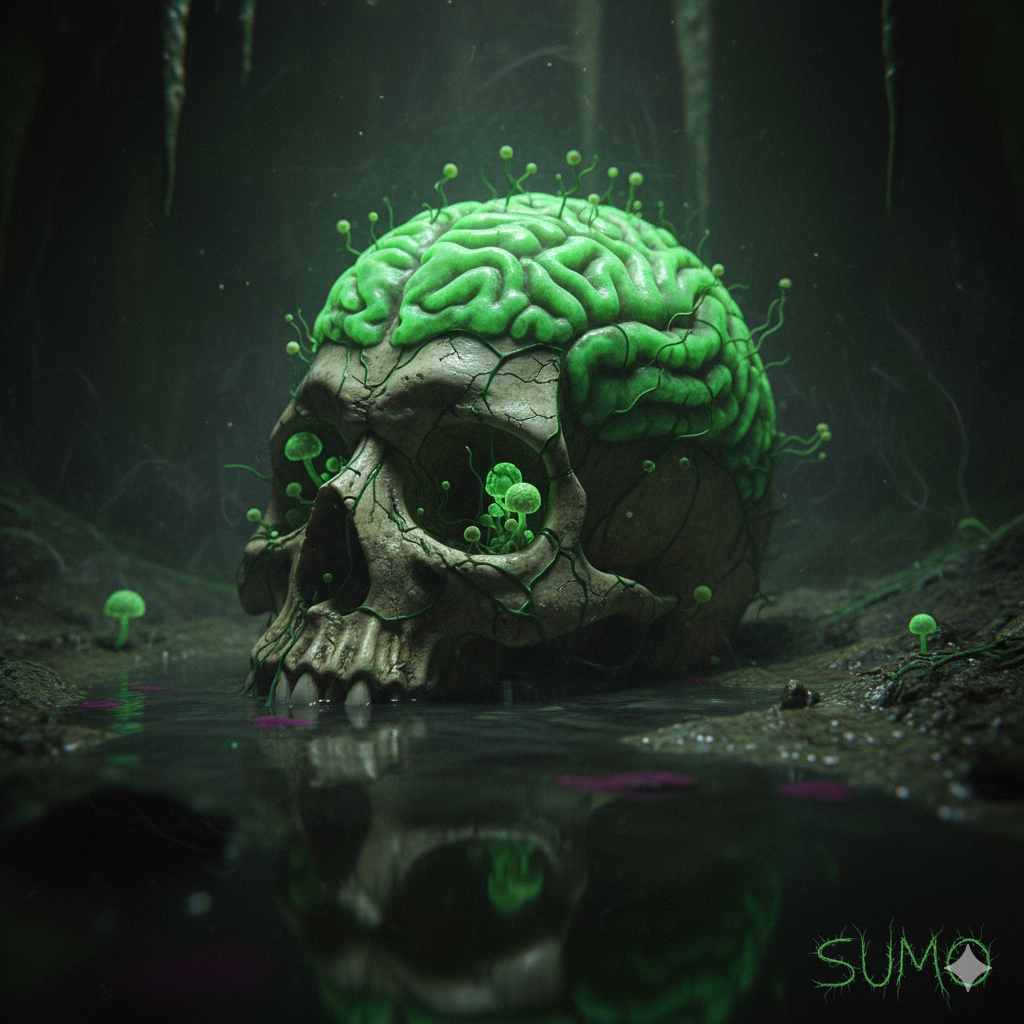
Let’s get one thing straight. When we think of world-ending plagues, we think of viruses. Fast, invisible, efficient little killers. It’s a clean transaction: you get sick, you either die or you get better. But in Everyone Dies at the End, the author makes a deliberate, far more fucked-up choice. The apocalypse doesn’t come from a virus; it comes from a fungus. And you need to understand this, because it’s not just a creative decision. It’s a goddamn philosophical statement. This isn’t a story about mass death. It’s a story about mass conversion, about the absolute and total hostile takeover of the self.
Here’s the brutal logic of it. A virus is an invader. It attacks the system. But a fungus, especially the kind of parasitic, cordyceps-inspired horror we see here, is something far more sinister. It doesn’t just attack the system; it hijacks it. It replaces it. It turns its host into a goddamn puppet, a mindless meat-vehicle whose only remaining purpose is to grow and spread the fungus. The “ralphs” in this story aren’t the sick. They’re the colonized. They are biological real estate that’s been violently re-zoned for a new, alien purpose. They are walking, rotting greenhouses for a nightmare you can’t even comprehend.
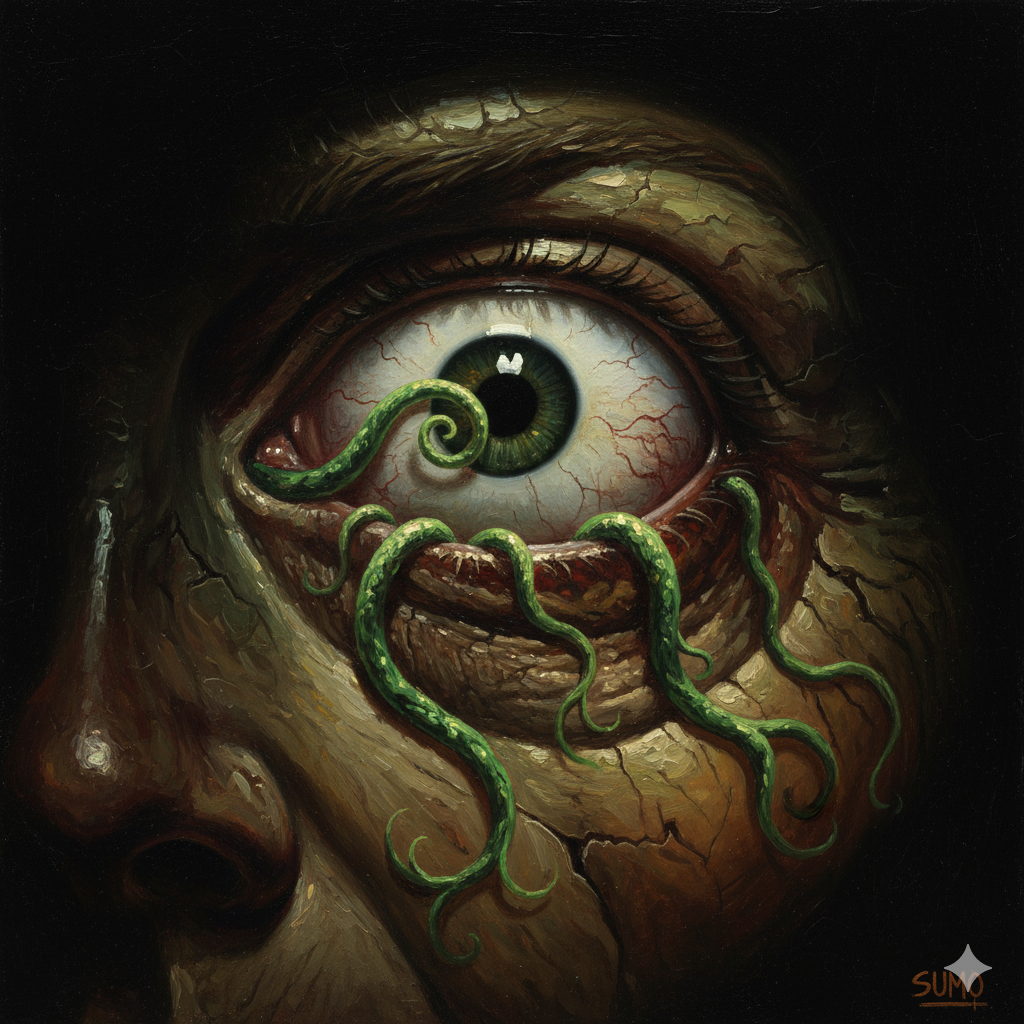
This is why the body horror in the manuscript is so goddamn effective and nauseating. It’s not just about blood and guts; it’s about transformation and replacement. Look at what happens to Jadee in the hospital. This is the story’s ground zero for showing you the rules of the game. She doesn’t just die. She is unmade and then remade into something else. The “pulsating fungal crown” that erupts from her skull isn’t a wound; it’s the blossoming of the new landlord. Her brain, her consciousness, everything she ever was, is gone. It’s been scooped out and replaced by a parasitic organism. She has been successfully, horrifyingly converted. The fungus isn’t just on her anymore; it *is* her.
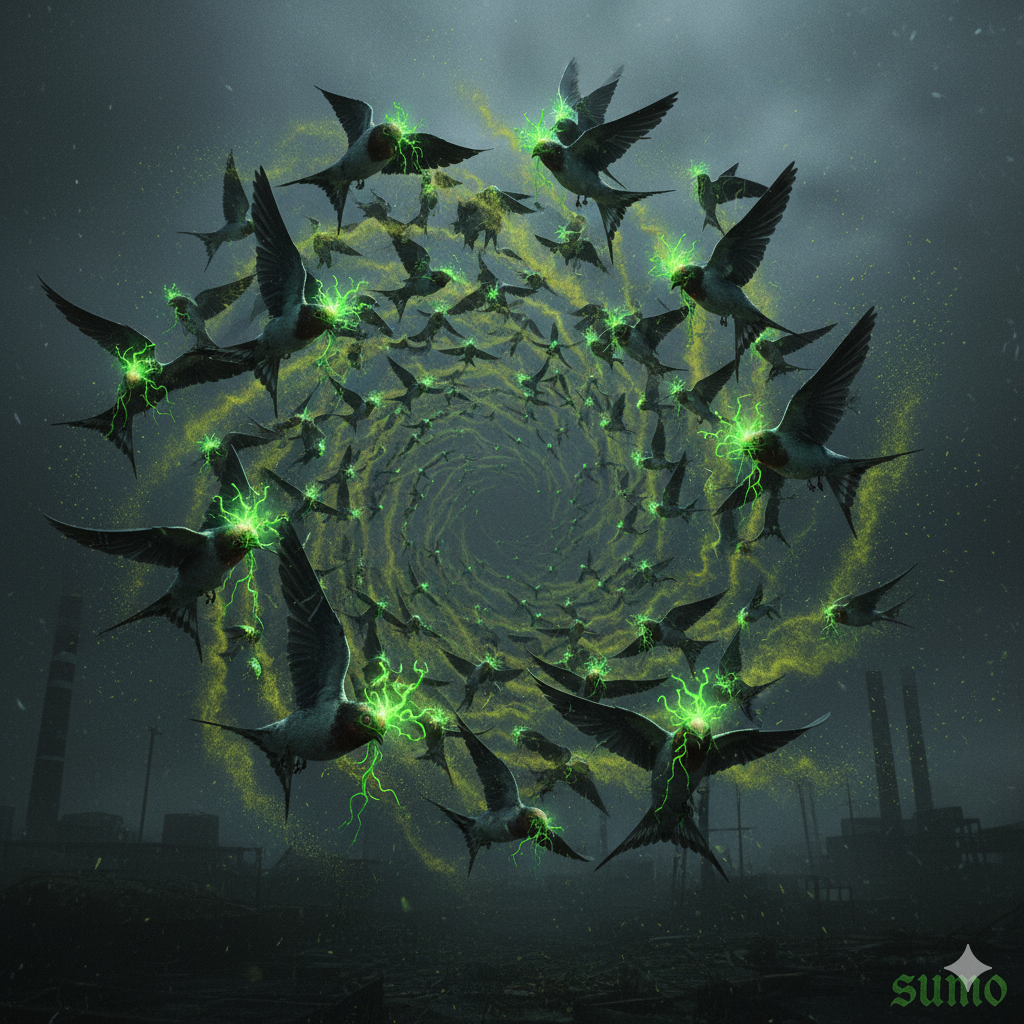
And if you thought that was the end of it, you haven’t been paying attention. The theme of total conversion goes systemic. It doesn’t stop with humans. We see it with the deer, and then we see it with the fucking birds. They don’t just get sick and drop out of the sky. They become vectors. They become part of the new, horrifying ecosystem that the fungus is building. This is a critical move. It elevates the threat from a simple human pandemic into an all-encompassing environmental catastrophe. The rot that started in the walls of Jadee and Earl’s apartment didn’t just infect a person. It infected the world, and now the world is growing a new, alien biology in its place.
Ultimately, making the monster a fungus is what gives this story its real teeth. It’s the perfect, horrifying metaphor for every other parasitic system we face. A toxic ideology. A high-demand religion. Corporate brainwashing. A crippling addiction. Any system that doesn’t just ask for your loyalty but demands your entire identity, erasing who you are and turning you into a willing, smiling puppet for its own endless growth. The most frightening monster in the world isn’t the one that wants to kill you. It’s the one that whispers in your ear that it’s just easier to give in, to surrender your will, and to become just another mindless part of its suffocating, ever-expanding biomass. That’s the real fucking horror.
Frequently Asked Questions
Q1: What is the real-world inspiration for this kind of fungal horror?
A1: This is the truly fucked-up part: it’s real. The concept is ripped straight from nature. Look up the Ophiocordyceps fungus, often called the “zombie-ant fungus.” It infects an ant, takes control of its body, forces it to climb to a high leaf, and then sprouts a stalk out of the ant’s head to rain spores down on the colony below. The story just takes that horrifyingly real biological warfare and applies it to people. Sweet dreams.
Q2: How is this plague different from a standard zombie virus?
A2: A virus is a mugger. It beats you up, takes your life, and leaves your body behind for reanimation. This fungus is an identity thief. It doesn’t just kill you; it subsumes you. It integrates with your living tissue, replaces your mind, and wears your body like a cheap suit to its next party. The horror isn’t just death; it’s the total annihilation of selfhood.
Q3: Why does the story start with mold in an apartment if it’s this big environmental plague?
A3: Because it’s a metaphor, genius. The story makes a brutal point: the world-ending plague didn’t come from a lab in Wuhan or some asteroid from space. It was born in the filth of human desperation. Jadee and Earl’s toxic life, their addiction, their collapsing personal system—it created the perfect, fertile rot for something even worse to take root. Their internal decay became the world’s external plague.
About the Author
Joseph R. Long (Sumo) is an independent author with over a decade of experience in the trenches of self-publishing. He has navigated the brutal landscape of finding affordable editors, drumming up beta reader interest, and wrestling with the challenges of the modern author. He is a firm believer that AI is not a threat to be feared, but a Pandora’s Box that can never be closed. Instead of fighting the tide, he is embracing AI as a transformative tool for writers. While he uses AI as a ruthless editing partner and a brainstorming associate, all of his writing is his own. The Amos Report was born from his conviction that every author deserves access to the kind of brutally honest feedback that forges good stories into great ones.

 Sumo Sized Ginger