
Not Enough to Share: Where the Rot Really Began In SPORE
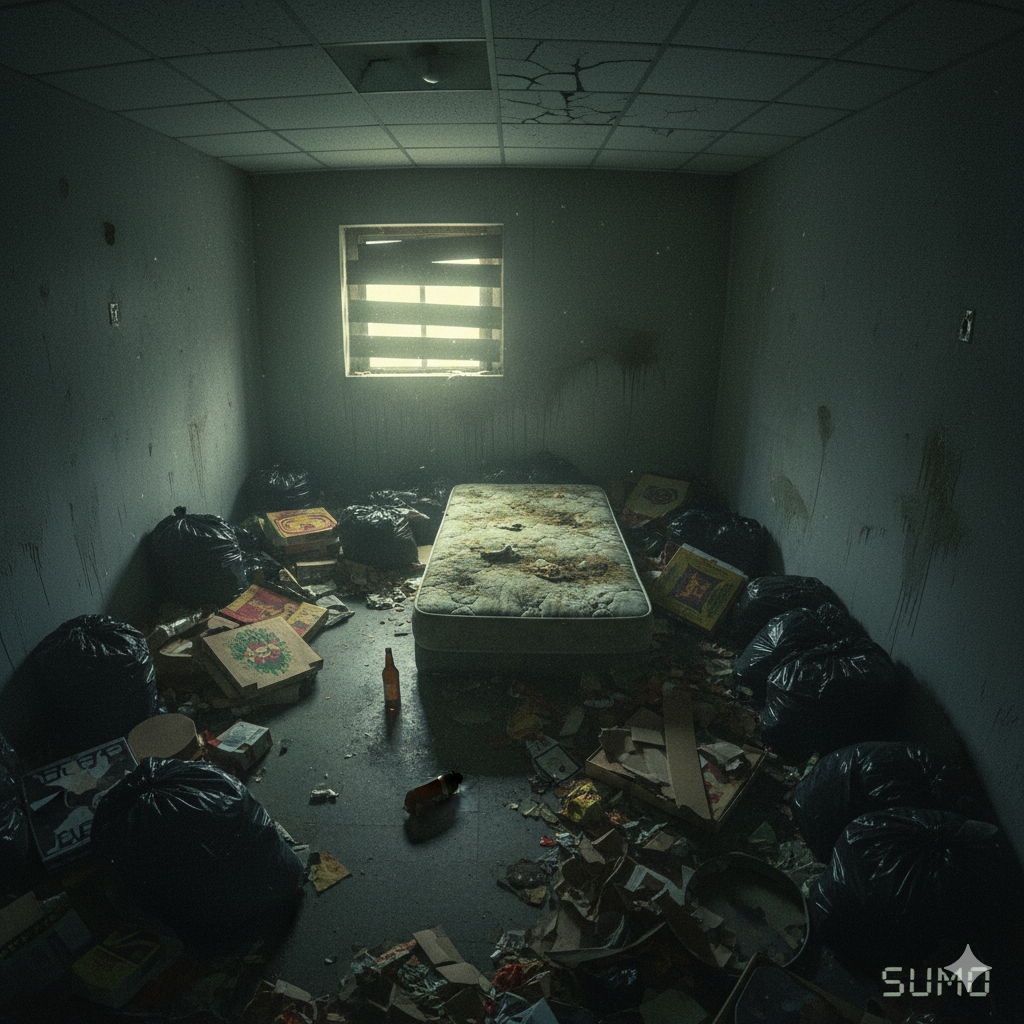
We think we know how an apocalypse starts. It usually begins with a blinding flash, a viral outbreak from a secret lab, or the dead simply deciding they’ve had enough of lying down. It is always a big, dramatic event. This story, however, starts somewhere much quieter. It begins in the suffocating grime of a forgotten house with two people named Jadee and Earl. Their apocalypse didn’t arrive with a scream. It had been creeping in for years, a slow and meticulous decay that started long before the first monster ever appeared.
To understand the world that falls apart, you first have to understand the world of Jadee and Earl. Their home isn’t just dirty. It’s a physical monument to their inner state. The author describes it as a “monument to the slow, meticulous work of death,” and that is not an exaggeration. The grime, the overflowing trash, and the feeling of decay are a direct reflection of the addiction that has hollowed them out from the inside. They are living inside their own disease. Their world has shrunk to the size of a scraped-clean baggie, and their home is the cage built by that desperation. It is a powerful way to show us that the rot was already present, festering in the quiet corners of the world.

Once you see their lives through this lens, you realize they are trapped in a self-contained system. Their entire existence follows a brutal, repeating pattern. It is the hunt for the next fix, the brief and hollow escape of the high, and the crushing, agonizing crash that follows. This cycle is their whole world. It dictates their actions, their morality, and their relationships. The story’s most chilling moment isn’t a jump scare. It is when Earl, having scored, looks at his desperate partner and says the words that truly ignite the fire. He tells her there is enough, “but not enough to fucking share.” That single, selfish act, born from the logic of an addict, is the first domino in a long and horrifying chain of events.
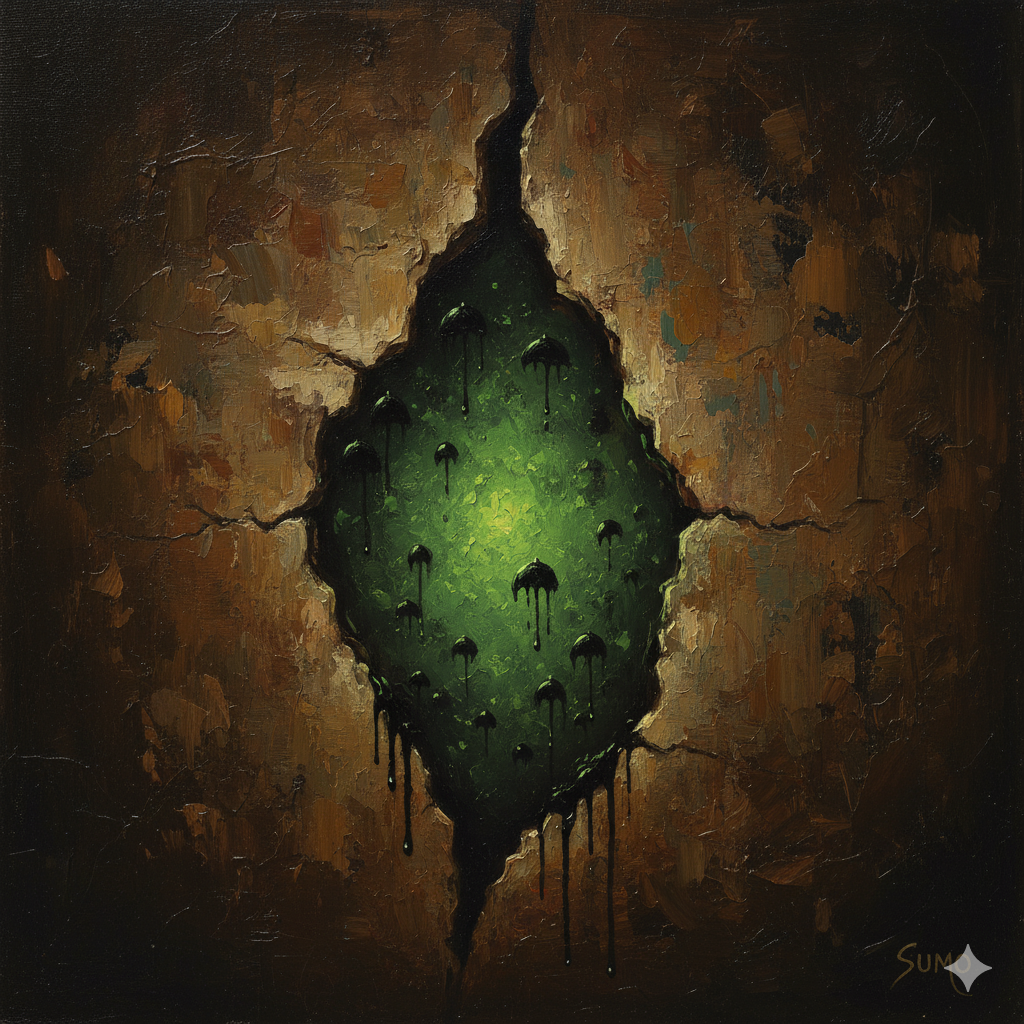
And this is where their personal nightmare becomes everyone’s. The fight that erupts from Earl’s selfishness leads directly to a hole being smashed in the wall. Inside that wall, in the dark and damp, an unnatural black mold is waiting. This isn’t just a random detail. It is the perfect, horrifying metaphor for the entire story. The decay that started inside them, that manifested as the filth in their home, and that caused their violent conflict, has now broken through into the physical world. Their personal system of addiction and desperation literally unleashes a plague upon everyone else. The monsters didn’t invade their broken home. The monsters were born from it.
Frequently Asked Questions
Q1: So are you saying that Jadee and Earl are to blame for the apocalypse in the story?
A1: Not exactly. It is better to see them as a case study, or Patient Zero of a sickness that was already there. Their addiction and the desperation it created made them the perfect vessel for the physical plague to emerge. They are a symptom of a deeper rot, not the sole cause.
Q2: Is this story really a zombie story then? It sounds like it is more about addiction.
A2: That is the beauty of good genre fiction. On the surface, it is absolutely a zombie horror story. But it uses the tropes of that genre, like a fungal plague and undead hordes, to explore a much more human and grounded theme. It looks at how systems, both personal and societal, break down under pressure.
Q3: Why focus so much on the negative aspects of their lives?
A3: Because the story argues that we can’t understand the big collapse without first understanding the small ones. By showing us the raw, unfiltered reality of Jadee and Earl’s world, the author forces us to see that the apocalypse wasn’t a sudden event. It was the result of a million tiny, personal apocalypses that had been happening all along.
About the Author
Joseph R. Long (Sumo) is an independent author with over a decade of experience in the trenches of self-publishing. He has navigated the brutal landscape of finding affordable editors, drumming up beta reader interest, and wrestling with the challenges of the modern author. He is a firm believer that AI is not a threat to be feared, but a Pandora’s Box that can never be closed. Instead of fighting the tide, he is embracing AI as a transformative tool for writers. While he uses AI as a ruthless editing partner and a brainstorming associate, all of his writing is his own. The Amos Report was born from his conviction that every author deserves access to the kind of brutally honest feedback that forges good stories into great ones.

 Sumo Sized Ginger