
How a Toxic Relationship Hijacks Your Brain: A Guide to Healing

Your thumb hovers over the cold glass of your phone screen. It’s a familiar weight, a loaded gun in your palm. You’ve got that joke—the one only they would ever laugh at, that weird, sideways kind of laugh that sounded like betrayal learning to breathe, a sound caught between a choke and a sigh. The kind of laugh that once felt like a secret handshake, a confirmation you belonged somewhere specific, somewhere only the two of you knew.
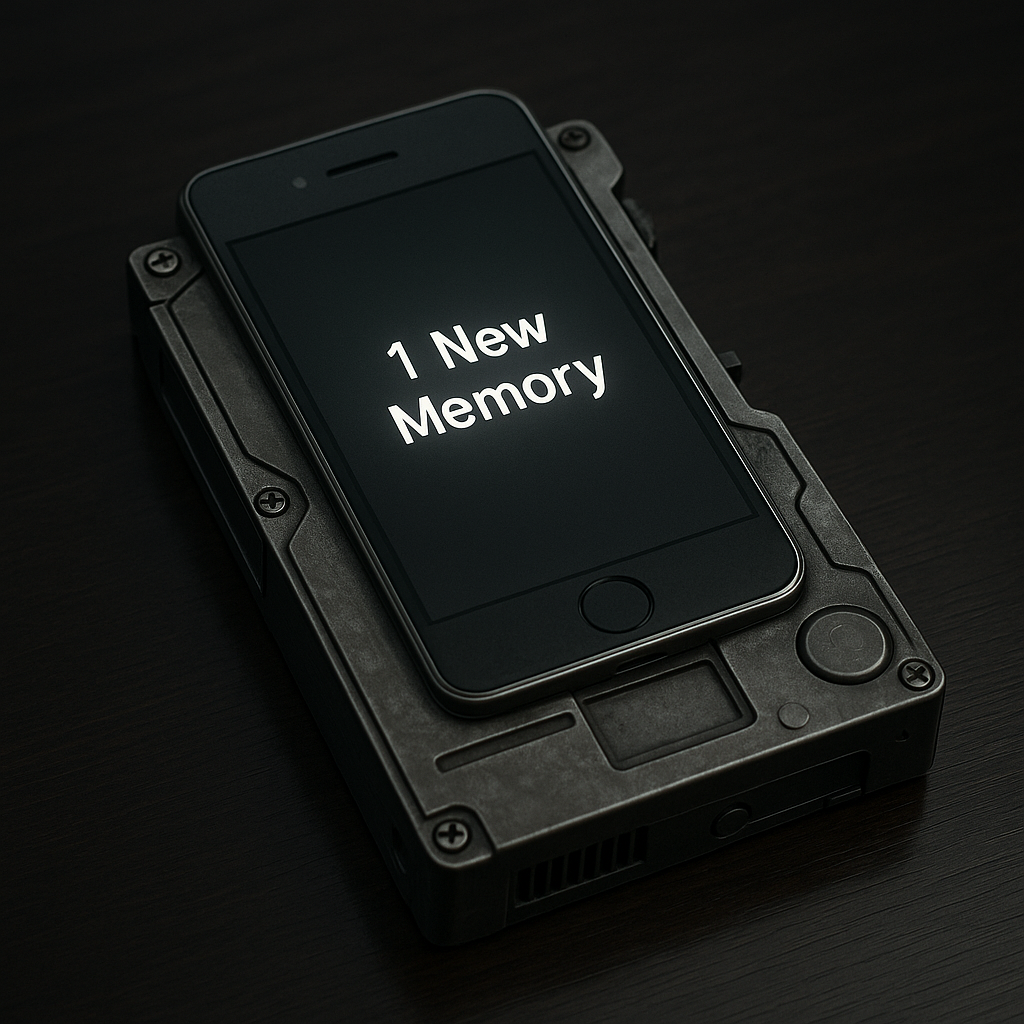
You don’t hit send.
That’s how twenty years rot: joy still wired directly to a ghost who stopped listening long before they vanished. The synapses fire, the dopamine whispers its old promise, but the circuit ends in static, in the hollow echo chamber of their absence. The connection is severed, yet the current still surges, seeking a ground that’s turned to dust. Dealing with a toxic relationship isn’t just about emotional pain; it’s about neurological warfare.
When a Toxic Relationship Becomes a Hostage Situation

This isn’t a breakup. It’s a hostage situation where the captor’s wearing your own face, whispering your own thoughts in a voice that’s yours but laced with their poison. The ransom note is written in memories that ache like phantom limbs. Let’s talk about how affection becomes captivity—and how the cage gets built, brick by agonizing brick, from the inside out, with your own complicity as mortar.
Stop here. Feel your own thumb hovering over that familiar contact. What ghost are you reaching for?
She spent twenty years calling me her soulmate. Twenty years of venom spat at any woman on TV who dared show skin, who walked with shoulders back into her own freedom, who didn’t need a man’s permission to occupy space. I found the viewpoint refreshing, as I had never heard a woman speaking like that. I thought it was it principle, a fierce morality. It wasn’t. It was reconnaissance—mapping the invisible walls of the prison she wouldn’t name, wouldn’t even admit existed. Every critique was a surveyor’s mark, every sneer a measurement of the cell she was constructing around her own stifled longing. Her hatred wasn’t directed outward; it was the sound of her own wings beating against bars she refused to see.

I told her, voice raw with useless sincerity: anger is a cell you build around yourself. It starts small, a cage for the hurt, but soon it’s a fortress, isolating you from everything warm. She sharpened the bars anyway, turning them into razors. The more I reached through them, hand bleeding, the taller the watchtowers grew, manned by her suspicion, her fear. My attempts at connection became blueprints for stronger fortifications against the perceived threat of my love. This is the brutal nature of emotional abuse; it twists good intentions into weapons.

Then I’m horizontal in a hospital bed, the sterile light bleaching color from the world. Bleeding from places you’re not supposed to bleed from, places that speak of deep, internal rupture. Vulnerability laid bare, a raw nerve exposed. And she vanishes. No message carved on the whiteboard. No closure offered like a bitter pill. No final fight to lance the boil. Just air where her presence should have been, a vacuum that sucked the breath from my lungs. The silence wasn’t empty; it was heavy, suffocating, filled with the unspoken verdict of my expendability.

If you recognize this erasure: The first exit is naming it. Say aloud: “I am not furniture.” Write it. Carve it. Your body must hear you reclaim space.
But that wasn’t the hardest part. The physical pain was a known quantity, a fire you could map.
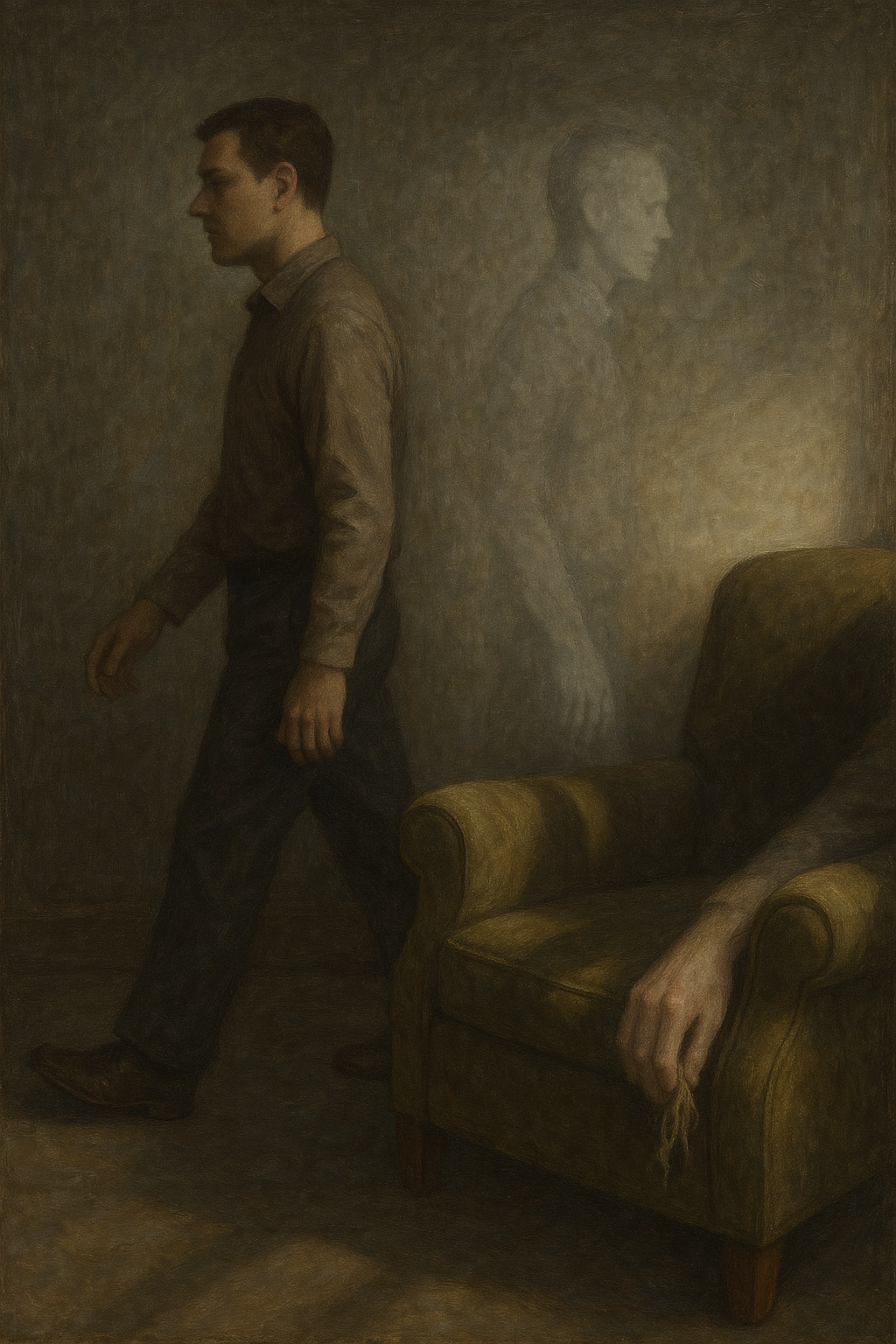
The real torture was the two months after. Still sharing the same four walls, breathing the same stale air thick with the dust of dead promises, but she’d already left. Her body moved through the rooms like a sleepwalker, but her spirit, her attention, had boarded a train to a destination I wasn’t privy to. Breathing the same molecules, but hers didn’t carry my name anymore. They didn’t even carry the scent of recognition. I became furniture, a ghost haunting my own home. I moved out first. Not because I was ready to face the echoing emptiness of a new space—because watching her rehearse my absence while I was still physically in the room, watching her carefully avoid my gaze, hearing the careful neutrality in her voice when she spoke of logistics, felt like being erased in real time. It was dissolution witnessed, a slow-motion deletion of my significance from the shared narrative.
The Aftermath of Emotional Abuse: When Soulmates Curdle
That’s when the whole elaborate structure, the cathedral of “us,” finally caved in. “Soulmates” crumbled into dust, replaced by the brittle syllables of “pass the salt.” All our private mythology—the secret languages, the shared jokes that felt like codes, the rituals that bound us—became dead languages spoken over a shared kitchen sink. Every memory became retroactively suspect, a potential sleight of hand. Was that sunset on the beach genuine awe, or just stage lighting? That whispered confidence in the dark—authentic intimacy, or calculated performance? Every touch, every tear, every late-night confession suddenly felt like suspect theater, a play performed for an audience of one, where I was both participant and dupe.
But here’s what truly kills, what leaves the deepest scar from this kind of emotional abuse:
It’s not the leaving. It’s the gut-churning realization that you never knew the person who left. The face you kissed, the voice you trusted, the soul you thought was entwined with yours—it was a mask. The foundation you built your life upon was sand painted to look like bedrock. The person you grieve is a phantom, a projection you helped create and sustain.
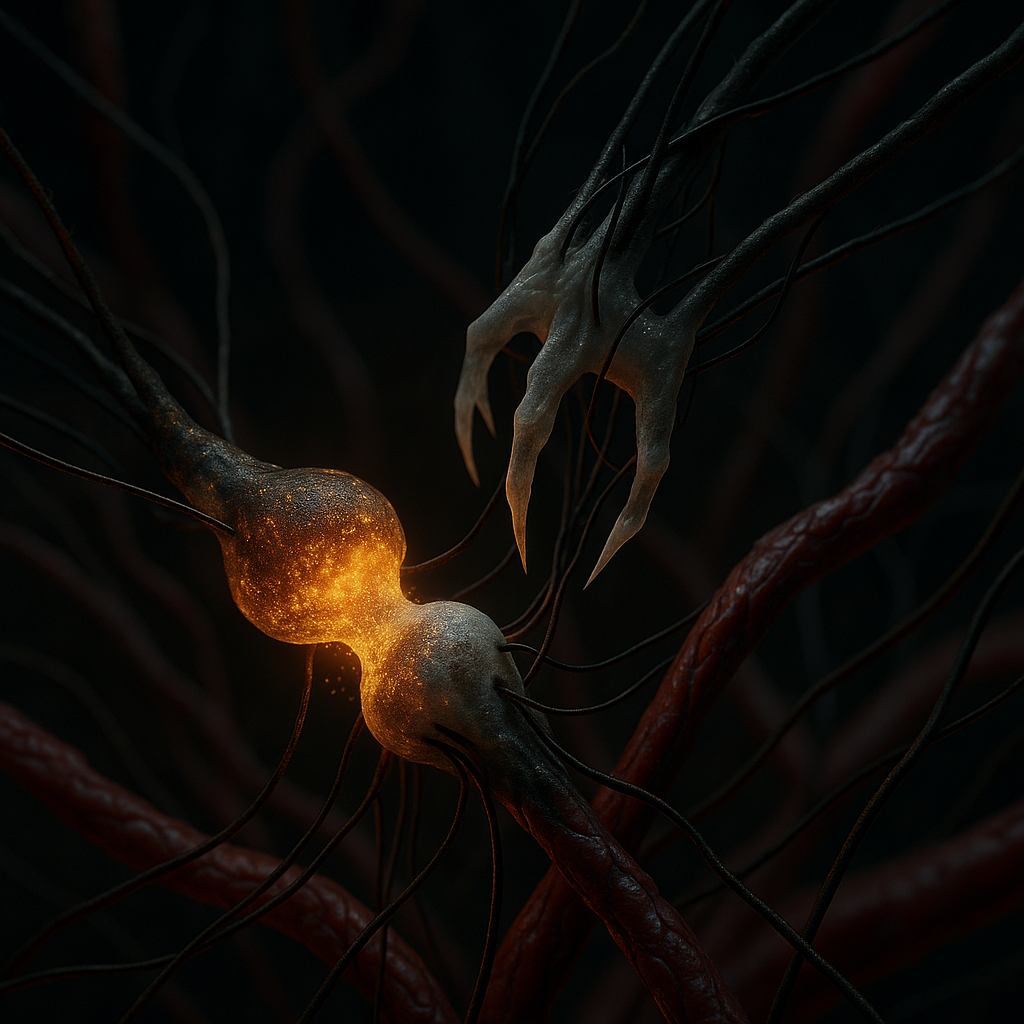
Your thumb twitches again, muscle memory overriding conscious will. Searching for a signal, a frequency, a connection to someone who doesn’t exist anymore. Hunting for a ghost in the machine. This is the trauma bonding that keeps you tethered long after the end.
These reflexes don’t die with the relationship’s official end. Neural highways, paved deep and smooth over decades of habit, keep rerouting you to the old exits. You drive, heart pounding with misplaced anticipation, toward a place that burned down long ago, and stand bewildered, knocking on charred wood, wondering why the ashes don’t open the door. The destination is gone, but the autopilot remains stubbornly engaged.
Denial isn’t weakness. It’s emergency engineering, a biological failsafe. The brain, that desperate survivalist, will flood your world with thick nostalgia-smoke, conjuring golden-hour memories and the scent of their skin, anything to keep you from choking on the acrid, unbearable truth: sometimes love doesn’t gently rot into compost for new growth. Sometimes it curdles. It turns sour and thick and poisonous in the vessel of the relationship. And the terrible, humiliating truth? You drink it anyway. You convince yourself it’s an acquired taste, a sign of depth, of commitment. You mistake the nausea for passion.
We say love is blind. It isn’t. Love sees the cracks, the mold, the shaky foundations. Love builds cathedrals over that mold anyway. It erects stained-glass windows to filter the light just so, hiding the structural flaws. Then it lights the pungent incense of justification and calls the festering rot holy. It sanctifies the dysfunction, names it “passion” or “depth” or “unbreakable bond.”
And I helped her hold that mirror steady. For twenty years.
Twenty years of calling corrosive fury “devotion.” Of mistaking constant, critical dissection for intimate care. When someone spends decades viciously attacking the very thing they secretly crave, the liberation they fear, they’re not moral sentries guarding some sacred truth. They’re terrified inmates, lashing out blindly from inside their own locked cell, rattling the bars they refuse to acknowledge. They attack the free because the freedom of others is a spotlight on their own confinement.
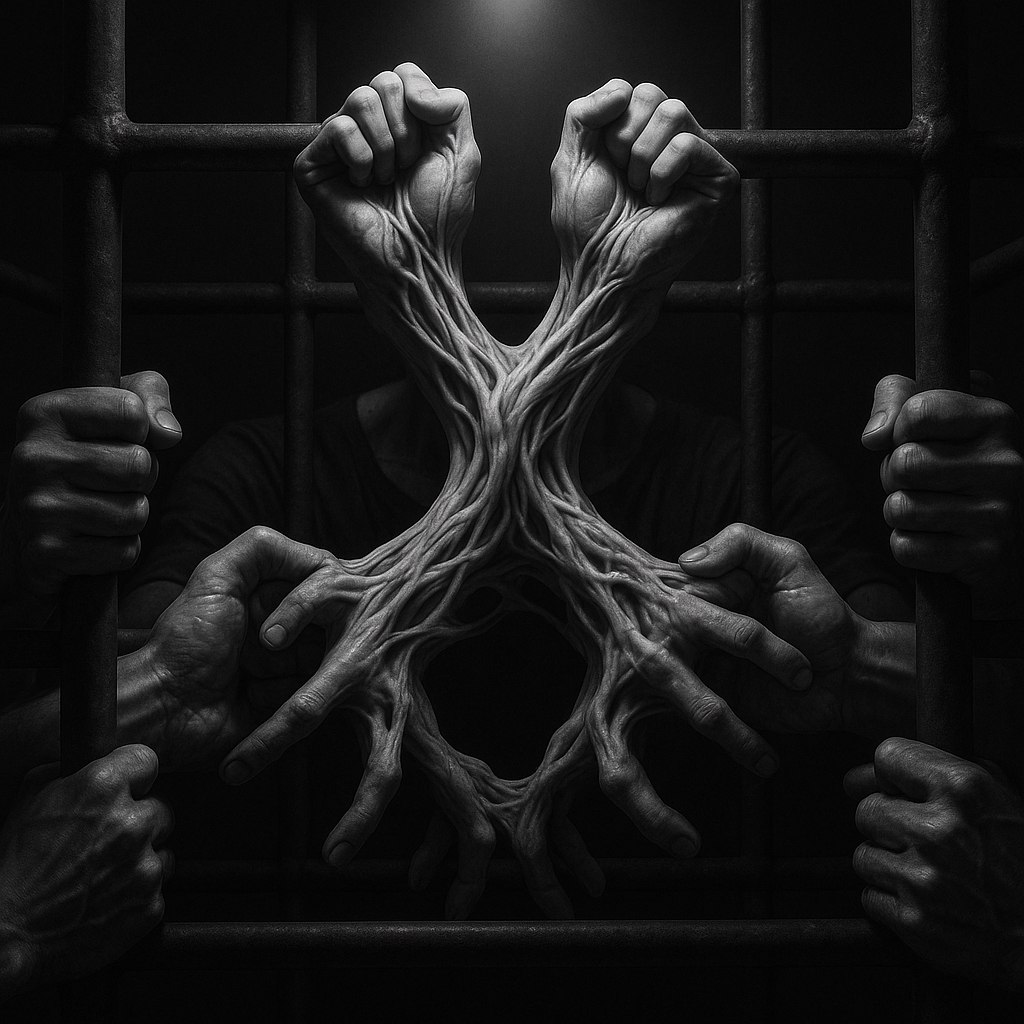
Healing From a Toxic Relationship: Stop Polishing the Bars
Your thumb hovers again over the cold glass. This time you catch it mid-spasm. Like spotting the telltale tremor in the hand of someone about to lift a bottle they swore off. A synaptic ghost reaching for a phantom limb.
Still asking how to get someone out of your head? It’s the wrong question, a misdirection. It assumes they are an occupying force you can simply evict.
Ask instead why you made so much space for them to live there rent-free in the first place. What vacancy in yourself did they fill? What echo chamber did you offer them?

Here’s the hardest question, the one that scrapes bone:
What cage did you build around your own freedom just to match the dimensions of theirs? What wings did you clip to fit through the narrow door of their limitations? What light did you dim to match their preferred gloom?

Because the person you’re trying to forget, the ghost haunting your neural pathways? They’re not in your head. You are.
You are the voice still reaching for the phone in the dark. You are the hand translating their cruelty into comforting confusion, their abandonment into an unsolvable mystery. You are the one still whispering the script of “us” to an empty stage.
You’ve believed that script for far too long. The process of healing from a toxic relationship means finally leaving the stage. You mistook the prison yard for a garden.
You’re not just getting over them.

You’re remembering who you were before you learned to love like a warden. Before you traded your open sky for the false security of shared walls. You’re exhaling the stale air of the cell and tasting, tentatively, the sharp, unbounded wind of freedom again. It might feel terrifyingly vast. That’s the point.
The wind tastes like broken glass and possibility. Now:
Steal back your silence.
When the ghost-phone trembles in your hand:
- Name the cage. Speak it raw: ‘This is the bar I polished today.’ Name the specific thought. Was it their voice in your head criticizing your choice of breakfast? The old joke you stifled at work? Identify the phantom.
- Anchor to now. Try this: when the neural ghost twitches, name three physical objects in the room you can see, two sounds you can hear, and one sensation against your skin. Ground your body in the present tense. It is a fortress against their memory.
- Carve your name on the wall. Not theirs. One sentence in a notebook, on your skin in pen, in the steam on the bathroom glass after a shower: ‘I am not the warden of _______________ [their name].’
Leave the key in the lock. Walk. Not away—through. The next room is yours. Start burning the blueprints.

A Resource Hub for Healing and Recovery
Taking the next step requires support. If this story resonates, please consider these resources. They provide credible information and pathways to support for survivors of emotional abuse and toxic relationships.
Helplines and Immediate Support
- The National Domestic Violence Hotline: Call 1-800-799-7233 or text “START” to 88788. Free, confidential support is available 24/7.
- Crisis Text Line: Text HOME to 741741 from anywhere in the US, anytime, about any type of crisis.
- The 988 Suicide & Crisis Lifeline: Call or text 988 for free, confidential support from a trained crisis counselor. Available 24/7.
Information and Organizations
- National Alliance on Mental Illness (NAMI): Offers educational resources, support groups, and information on mental health conditions, including those resulting from abuse.
- Substance Abuse and Mental Health Services Administration (SAMHSA): Provides a national helpline and treatment locators for mental health and substance use disorders.
Essential Reading on Emotional Abuse and Recovery
- Psychopath Free by Jackson MacKenzie: An essential guide to understanding and recovering from emotionally abusive relationships with narcissists and other toxic people.
- The Body Keeps the Score by Bessel van der Kolk, M.D.: Explores how trauma physically reshapes the body and brain, compromising sufferers’ capacities for pleasure, engagement, self-control, and trust.
- Why Does He Do That? Inside the Minds of Angry and Controlling Men by Lundy Bancroft: A comprehensive look into the motivations and patterns of abusive men.
- The Gaslighting Recovery Workbook by Amy Marlow-MaCoy: An interactive workbook to help you heal from the psychological manipulation of emotional abuse.

 Sumo Sized Ginger

