
Toxic People Still Suck: Day Five – Navigating the Nuances of “Cutting Them Out”
Hey y’all, it’s your Sumo-sized Ginger again! Yesterday, we talked about the importance of removing toxic people from your life, and I ended with a pretty blunt call to action: “Cut them out!” I stand by that in principle, but I also know life isn’t always that simple. So today, let’s dive into the messy, complicated, and often painful reality of distancing yourself from toxic people, especially when “cutting them out” completely feels impossible.

When “Cutting Them Out” Isn’t a Clean Break
Yesterday’s message was about recognizing the damage toxic people inflict and prioritizing your well-being. But what happens when the toxic person is:
A Close Family Member: Your parent, sibling, child, or even a spouse. Family ties are powerful, and cultural or personal values might make complete separation feel unthinkable.
A Long-Term Friend: You have history, shared memories, and perhaps even mutual friends. The thought of ending the friendship can be incredibly painful.
A Coworker or Boss: You need your job, and you can’t just magically make your toxic colleague disappear.
Someone You’re Financially Dependent On (or They’re Dependent on You): This adds a layer of practical complexity that can’t be ignored.
In these situations, a complete and sudden “cut off” might not be realistic, or even desirable (in the short term). So, what can you do?

Strategies for Managing Toxic Relationships (When You Can’t Eliminate Them)
Here are some practical strategies for protecting yourself when a clean break isn’t an option:
Set Boundaries (and Enforce Them!): This is the cornerstone of managing any difficult relationship. Boundaries are the limits you set on what you will and will not accept from another person. They can be about:
Time: “I’m only available to talk on the phone for 15 minutes.”
Topics: “I’m not going to discuss my relationship with you.”
Behavior: “If you start yelling, I’m going to end the conversation.”
Communication Method: “I prefer to communicate via email/text for now.”
The key is to be clear, consistent, and firm. Toxic people will test your boundaries. Be prepared to enforce them, even if it’s uncomfortable. This might mean ending a call, leaving a room, or stating, “I’ve already told you I’m not discussing this.”

The Gray Rock Method: This is a technique for interacting with toxic people in a way that minimizes emotional engagement. The idea is to become as uninteresting and unresponsive as a gray rock.
Keep interactions brief and factual.
Avoid sharing personal information or opinions.
Respond with short, neutral answers (“Okay,” “I see,” “Hmm”).
Don’t react emotionally to their provocations.
The goal is to make yourself a boring target for their drama. They’ll eventually (hopefully) lose interest and move on.

Limit Contact (Strategically): Even if you can’t completely eliminate contact, you can control the frequency and duration.
Reduce the number of times you see or talk to them.
Avoid one-on-one interactions if possible (group settings can dilute their impact).
Schedule interactions for times when you’re feeling your strongest.
Have an “exit strategy” prepared in advance.

Build Your Support System (Even Stronger!): This is crucial. Surround yourself with people who do lift you up, validate your feelings, and provide a reality check. Having a strong support network will make it easier to cope with the toxic person and maintain your boundaries.

Focus on Self-Care: Dealing with toxic people is draining. Prioritize activities that replenish your energy and boost your well-being: exercise, hobbies, meditation, spending time in nature, etc.

Consider Therapy (Seriously!): A therapist can provide invaluable support and guidance in navigating these complex relationships. They can help you:
Understand the dynamics of the relationship.
Develop coping strategies.
Set and enforce boundaries.
Process your emotions.
Work through any underlying issues (like codependency) that might be contributing to the situation.

Document Everything (If Necessary): If the toxic person’s behavior is particularly egregious (harassment, abuse, etc.), keep a record of their actions. This can be helpful if you need to take further action (legal or otherwise) in the future.

The Long Game: Moving Towards Healthier Relationships
Remember, even small steps towards protecting yourself are wins. It’s a process, and it takes time. Don’t beat yourself up if you slip up or have a bad day. The goal is to gradually shift the balance of power in the relationship and create a healthier, more peaceful life for yourself.
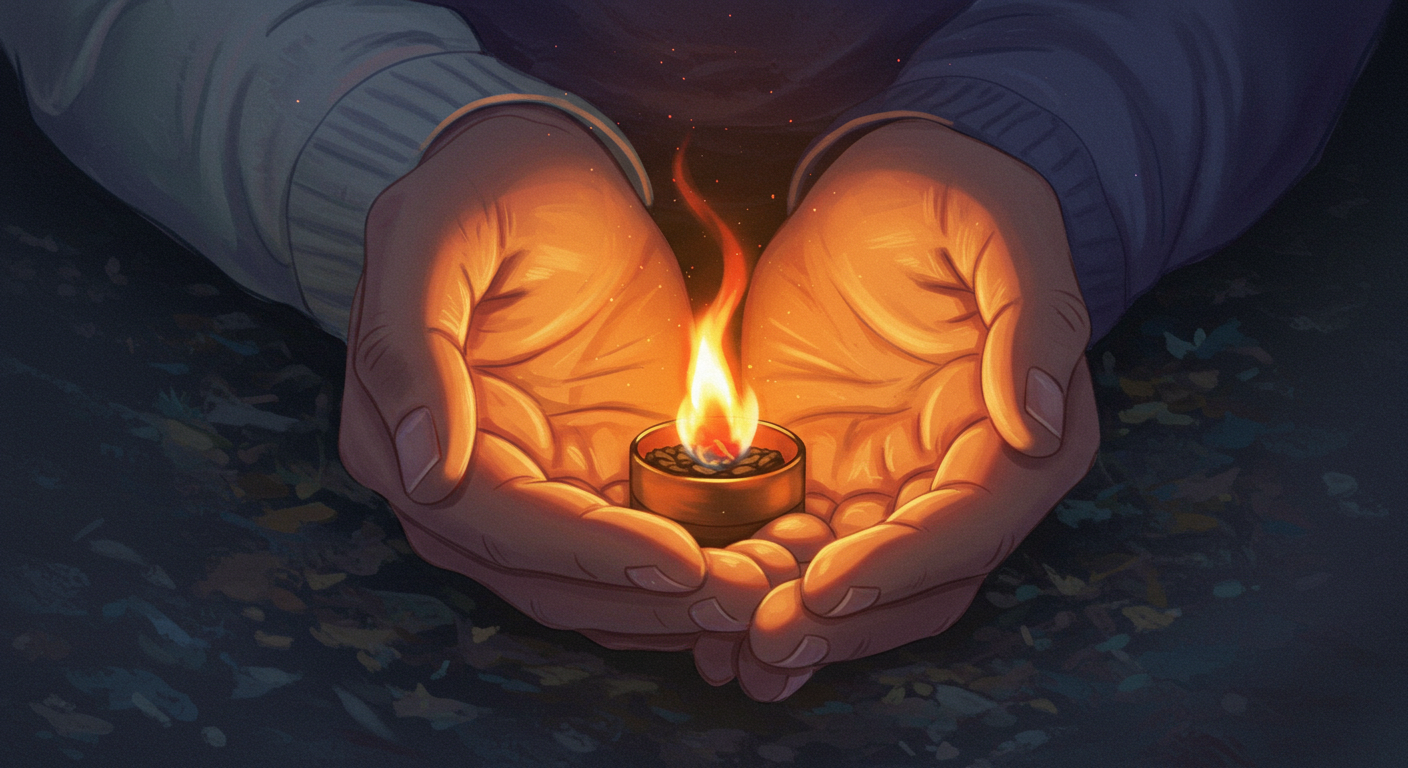
You deserve to be treated with respect and kindness. You are worthy of love and support. Don’t let anyone tell you otherwise.
Looking Ahead:
Thank you all for joining me on this journey of rediscovering the power of joy, and removing negativity from your life. I’ve been a busy bee working on several projects at once, but I should have a new blog post regarding AI and writing in the near future. Until then, please have a wonderful day.

 Sumo Sized Ginger
I am not subscribed to your email list so I can’t unsubscribe despite trying to. I would like to be unsubscribed please. I don’t remember ever signing up to get your emails.
[signatureImage]
LikeLike
I have no idea how to remove you from the email list as it is one run by WordPress. There should be an unsubscribe button at the bottom of the email. And you might have subscribed when this was a site dedicated to my authorship, I was quite into the indie scene for a minute there.
LikeLike